
Growing Organic in a Grow Tunnel: A Beginner’s Guide
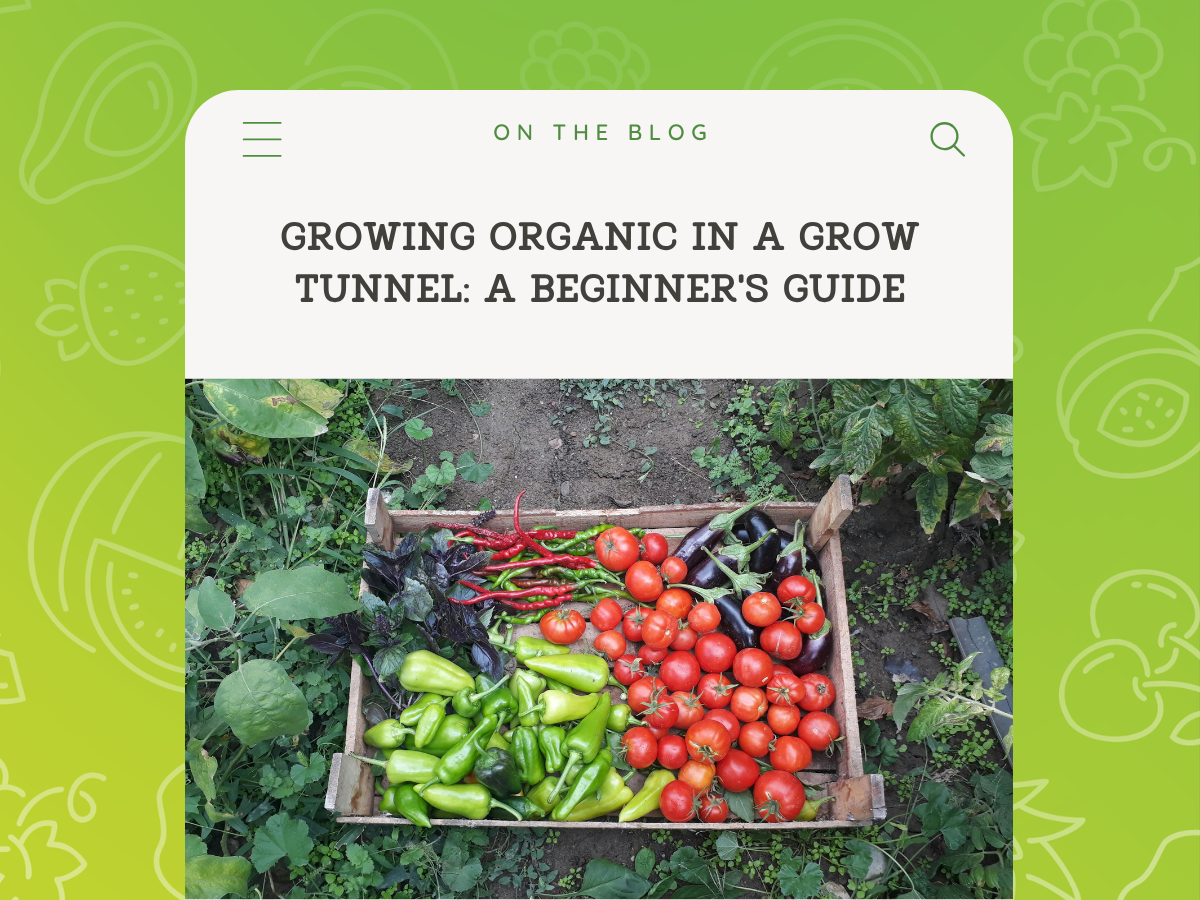
The basics of organic growing in a polytunnel:
Organic growing starts with healthy soil. Build your foundation with well-rotted compost, mulch and suitable organic inputs, matched to your soil and crops.
A GROW Tunnel supports a more manageable growing environment. Weather protection helps you care for your crops, while ventilation, spacing and careful watering remain essential.
Prevent pests and diseases before reaching for a spray. Inspect plants regularly, encourage beneficial insects, rotate crops and use appropriate physical barriers.
Start small with crops you enjoy eating. Leafy greens, radishes and herbs are useful starting points, with tomatoes and other fruiting crops added as your confidence grows. Choose varieties suited to your local season.
Organic practices and organic certification are different. Backyard growers can follow organic methods without certification; market gardeners considering certified production should check the relevant standards, approved inputs and record-keeping requirements.
Australia’s unpredictable climate can make organic growing challenging. From scorching summers to sudden storms, growing without chemicals can feel even more risky. But with a GROW Tunnel, new and experienced growers alike can create a controlled environment that makes growing organic food simpler, more productive, and more rewarding. By protecting crops from pests, extreme weather, and diseases, a tunnel allows you to focus on building soil health and growing nutrient-dense food, without reaching for harmful chemical sprays.
In this comprehensive guide we’ll walk you through the essentials of organic growing within a GROW Tunnel, providing practical tips and actionable steps to help you cultivate a thriving, chemical-free garden. We'll cover everything from building vibrant soil to managing pests naturally and selecting the best crops for organic success.
Understanding Organic Growing in a Tunnel
Growing organically is more than just avoiding chemicals, it’s about working with natural systems. It’s a holistic approach that views the garden as an ecosystem, where every element contributes to the health and vitality of the whole system.
The Core Principles of Organic Farming in a Protected Environment
Building soil health with compost and organic amendments: Soil is the living foundation of your garden. In an organic system, nurturing its microbial life and nutrient content is paramount.
Encouraging biodiversity with companion planting: Polytunnels offer a contained space where you can strategically introduce plants that support each other, attracting beneficial insects, deterring pests and providing protection from certain diseases.
Managing pests through natural means: Instead of chemical warfare, organic pest control relies on understanding pest life cycles and implementing preventative and biological solutions.
Rotating crops to prevent disease build-up: This simple yet effective practice prevents pathogens and pests from establishing themselves in the soil.
Using organic-certified seed and inputs where possible: Sourcing high-quality, organic materials from the outset sets your garden up for success.
By combining these principles with the protection of a GROW Tunnel, growers can create a resilient, sustainable system that yields abundant, healthy produce year-round. The enclosed environment of a tunnel provides a significant advantage, moderating temperatures, reducing water loss, and offering a physical barrier against many common garden foes.
Building Healthy Organic Soil
Healthy soil is the true foundation of organic farming. It's teeming with life and provides all the nutrients your plants need. Inside a GROW Tunnel, soil tends to warm faster and retain more moisture, making it a perfect environment for developing rich, living soil.
Essential Practices for Organic Soil Health in Your Tunnel
Compost – The Heart of Organic Soil: Regularly add homemade or certified organic compost. Compost improves soil structure, enhances water retention, and provides a slow release of nutrients. Aim for a generous layer (2-5cm) dug lightly into the topsoil. For homemade compost, ensure it's fully decomposed and free of weed seeds or diseases.
Green Manures/Cover Crops: If the soil needs a rest between crops, green manures can be planted to add organic matter, nitrogen and nutrients back into the soil for the following crop. Try crops such as buckwheat, cowpea, millet, lablab, mung bean, soybean or vetch.
Worm Castings: Enrich your soil with the power of worms! Worm castings (vermicompost) are incredibly nutrient-dense and packed with beneficial microbes. You can add them directly to planting holes, top-dress existing plants, or brew them into a "worm tea" for liquid feeding. A worm farm is a fantastic addition to any organic setup.
Mulching: This is a non-negotiable for many organic growers. A thick layer of organic mulch (e.g., straw, sugar cane mulch, aged wood chips) over your soil surface offers multiple benefits:
Moisture Retention: Reduces evaporation, meaning less watering.
Weed Suppression: Blocks sunlight, preventing weed seeds from germinating.
Temperature Regulation: Insulates the soil, keeping it cooler in summer and warmer in winter.
Nutrient Release: As it breaks down, mulch adds organic matter and nutrients to the soil.
Avoid Synthetic Fertilisers: Instead of quick-fix chemical feeds, rely on organic amendments that feed the soil, not just the plant. These include:
Seaweed Extract: A trace element powerhouse that boosts root development, disease resistance, and overall plant vigour.
Rock Dust: Provides slow-release minerals and trace elements, often depleted in cultivated soils.
Pelletised Manure: A convenient, balanced source of nitrogen, phosphorus, and potassium from organic sources like chicken, cow, or sheep manure.
Remember, healthy soil is a living entity. Avoid compaction, minimise digging (especially deep digging), and constantly work to replenish its organic matter.
Natural Fertilisers and Feeding
Organic crops thrive on balanced nutrition, but this comes from a healthy soil food web, not just direct application. Within your GROW Tunnel, you'll have better control over nutrient levels and can tailor your feeding regime.
Organic Nutrient Sources for Thriving Plants
Liquid Seaweed/Kelp: An excellent all-rounder, liquid seaweed is rich in micronutrients and growth hormones that stimulate root development, enhance stress resistance, and boost overall plant health. It’s perfect for seedlings and foliar feeding.
Fish Hydrolysate/Emulsion: A gentle, slow-release nitrogen source, fish hydrolysate promotes lush leafy growth. It’s especially beneficial for greens and at the vegetative stage of fruiting plants.
Comfrey Tea: If you grow comfrey, it’s a brilliant organic fertiliser. Comfrey leaves are rich in potassium, making their "tea" (made by steeping leaves in water) a fantastic tonic for fruiting crops like tomatoes, capsicums, and cucumbers, encouraging flower and fruit production.
Chicken Manure Pellets: A readily available and balanced organic fertiliser, chicken manure pellets are great for leafy greens and general garden health. Ensure they are composted or pelletised to avoid burning plants.
Worm Tea/Casting Extracts: As mentioned above, these are rich in beneficial microbes and readily available nutrients. They can be diluted and used as a potent liquid feed for almost any plant.
Important Note on Rotation: Tailor your fertilisers to your crops. Leafy greens (lettuce, spinach, kale) will appreciate more nitrogen-rich feeds. Fruiting plants (tomatoes, capsicums, beans) will benefit from potassium-rich feeds during flowering and fruiting. Root crops (carrots, radishes) need balanced nutrition.
Pest Management the Organic Way
One of the biggest advantages of a GROW Tunnel is the physical barrier it provides against many common pests. However, some still may find their way in, and maintaining an organic system relies on prevention and fostering a balanced ecosystem, rather than relying on chemical sprays.
Strategies for Organic Pest Control in Your Tunnel
Beneficial Insects: Encourage natural predators! Ladybirds (aphid predators), lacewings (eat aphids, whiteflies, scale), and predatory wasps (target caterpillars) are your allies. Provide them with a diverse range of flowering plants (like dill, coriander, marigolds, and alyssum) both inside and around your tunnel. Avoid broad-spectrum organic sprays such as pyrethrum and derris dust if possible that could harm them.
Insect Netting: For particularly vulnerable crops or during peak pest seasons, fine insect netting can be installed over vents or used to create exclusion zones around specific plants, keeping out moths, whitefly, and other flying insects.
Yellow Sticky Traps: Their bright yellow colour attracts bugs such as aphids and whiteflies, without the need for spraying. Ensure you’re using a non-toxic product.
Organic-Approved Sprays: For outbreaks, use organic-approved treatments like Neem oil or insecticidal soap sprays.
Neem Oil: A natural pesticide derived from the Neem tree. It works as a deterrent and growth disruptor for many chewing and sucking insects.
Insecticidal Soap: Effectively controls soft-bodied pests like aphids, whiteflies, and spider mites by suffocating them. Always follow label directions and test on a small area first.
Bacillus Thuringiensis: If caterpillars are eating your produce, try this. It targets the stomach of the caterpillar, stopping it from eating, leaving your produce intact.
Companion Planting: Strategically plant certain species together to deter pests or attract beneficials.
Marigolds: Emit compounds from their roots that deter nematodes and other soil-borne pests. Their strong scent can also confuse flying insects.
Basil: Plant near tomatoes; it’s believed to repel whiteflies and improve tomato flavour.
Nasturtiums: Can act as a "trap crop," luring aphids away from more desirable plants. You can then dispose of the nasturtiums once heavily infested.
Healthy Airflow and Ventilation: Good airflow is crucial for preventing a build-up of humidity, which can lead to fungal diseases and also make your tunnel less appealing to some pests. Ensure your GROW Tunnel has ample ventilation systems and use them actively, especially during humid periods. Circulating fans can also be a valuable asset to ensure consistent air movement throughout the tunnel. By fostering biodiversity, pests rarely become overwhelming.
Integrated Pest Management in Your Tunnel
While organic methods are effective, an Integrated Pest Management (IPM) approach provides a structured way to handle pest issues. IPM involves:
Monitoring: Regularly inspect your plants for early signs of pests and diseases. The sooner you detect a problem, the easier it is to manage organically. Look under leaves, check stems, and observe new growth.
Identification: Correctly identify the pest or disease. Knowing your enemy helps you choose the most effective and least harmful organic control method.
Prevention: Implement all the strategies discussed above – healthy soil, strong plants, good airflow, companion planting, and physical barriers. Prevention is the cornerstone of organic pest management.
Action Thresholds: Understand how much pest damage your plants can tolerate before intervention is necessary. A few aphids are usually not a crisis; a full-blown infestation is.
Intervention: When intervention is necessary, use the least toxic organic controls first. This might mean hand-picking pests, hosing them off with water, or applying organic-approved sprays like Neem oil or insecticidal soap. Always target the specific pest rather than trying to kill off everything.
By following these steps, you’ll maintain a proactive and resilient organic growing system within your GROW Tunnel.
Disease Prevention Without Chemicals
The enclosed environment of a GROW Tunnel can, if not managed correctly, sometimes create conditions conducive to certain fungal diseases due to higher humidity. However, with good practices, you can effectively prevent most common diseases organically.
Key Strategies for Disease-Free Organic Growing
Good Spacing: Ensure adequate air circulation between plants. Overcrowding is a prime cause of fungal diseases like powdery mildew, as it traps humidity. Give your plants room to breathe and reach their full potential.
Crop Rotation: This is vital. Do not plant the same family of crops in the same spot year after year. For example, if you grow tomatoes (Solanaceae family) in a bed one season, plant leafy greens or legumes (Fabaceae) in that bed the next. This breaks disease cycles and prevents soil-borne pathogens from building up.
Sanitation: Regularly remove any diseased leaves, stems, or entire plants as soon as you notice them. Dispose of them away from your compost pile to prevent disease spread. Keep your tools clean, too, especially if moving between diseased and healthy plants.
Balanced Watering: While tunnels reduce water loss, careful watering is still important. Drip irrigation or soaker hoses are ideal, as they deliver water directly to the root zone, keeping leaves dry. Wet foliage, especially overnight, can create conditions ripe for fungal growth. Water in the morning so leaves have time to dry.
Resistant Varieties: Where possible, choose plant varieties known for their natural resistance to common diseases in your area. This is a powerful preventative measure.
Soil Health (Again): A strong, healthy plant grown in nutrient-rich, biologically active soil is inherently more resistant to disease than a weak, stressed plant.
Organic Fungicides (When Necessary): For severe outbreaks, organic-approved treatments like sulphur or copper sprays (ensure they are certified organic brands) can be used as a last resort. Always follow label directions precisely and understand their application restrictions. Remember, prevention is always easier and preferable to cure in organic systems.
Best Organic Crops for Beginners in a GROW Tunnel
Starting your organic GROW Tunnel journey can feel exciting, but choosing the right crops can make all the difference. Some plants are naturally more robust and less prone to pests and diseases, making them ideal for beginners.
Top Picks for Organic Success
Lettuce and Salad Greens: Fast-growing, forgiving, and offer a quick turnaround. Varieties like loose-leaf lettuce, spinach, rocket, and kale are excellent choices. They thrive in the consistent conditions of a tunnel and are relatively pest-free.
Did you know…
Spinach has more pesticide residue by weight than any other produce? Being easy to grow, and often ‘cut and come again’, this is one to add to your garden!
EWG’s 2026 Shoppers Guide to Pesticides in Produce.
Cherry Tomatoes: While larger tomato varieties can be prone to blight, cherry tomatoes tend to be hardier and produce abundantly. They love the warmth and protection of a tunnel, leading to an extended fruiting season. Ensure good staking and ventilation to avoid mildew.
Herbs (Basil, Coriander, Parsley, Mint, Rosemary): Most herbs are low-input, high-value crops. They generally resist pests and diseases well and provide continuous harvests. Many also serve as companion plants, attracting beneficial insects or deterring pests.
Carrots and Radishes: Easy root crops that appreciate consistent soil moisture and warmth. Grow quickly and are relatively pest-free.
Bush Beans and Peas: Legumes are fantastic for organic gardens because they fix nitrogen from the atmosphere, enriching your soil naturally. Bush varieties don't require extensive staking and generally have fewer pest problems than pole varieties.
Capsicums (Bell Peppers) and Chillies: Similar to tomatoes, these warm-season crops thrive in the consistent heat of a tunnel. They produce prolifically with adequate feeding and sun.
Cucumbers (Trellis Varieties): Compact cucumber varieties can do very well in a tunnel, offering a steady supply of fresh fruit. Ensure good pollination (if needed) and consistent watering to prevent bitter fruit.
These crops build confidence while providing plenty of fresh, healthy food for your table. As you gain experience, you can branch out to more challenging varieties.
Organic Certification Basics for Market Gardeners
For backyard growers, formal organic certification isn't necessary. Growing your own food in a GROW Tunnel is already allowing you to know and control what’s going into your food. However, if you plan to sell your produce commercially and wish to market it as "organic" then you’ll need to consider organic certification. One of the benefits of utilising a GROW Tunnel for your market garden, or retail produce, is it can actually simplify aspects of the certification process due to the controlled environment and physical barrier it creates.
Key Requirements for Organic Certification in Australia
Approved Inputs Only: You must use only inputs (seeds, fertilisers, pest control products, potting mixes, etc.) that are approved by an organic certifying body (e.g., ACO, SXC, USDA). This means no synthetic chemicals, GMOs, or prohibited substances.
Adherence to Standards: You must follow detailed organic standards regarding soil management, crop rotation, pest and disease control, water use, and harvesting practices. These standards are designed to promote ecological balance and sustainability.
Record Keeping: Records are essential. You will need to document everything: what you plant, where, when, what inputs you use (and from whom you purchased them), pest/disease observations, and any treatments applied. This transparency is crucial for passing an organic audit..
Buffer Zones: If adjacent to non-organic land, you may need to establish buffer zones to prevent contamination from sprays or runoff.
Annual Audits: Certified operations undergo annual inspections by their certifying body to ensure compliance with the standards.
Conversion Period: There is typically a "conversion period" (usually 1-3 years, depending on the land's history) during which land must be managed organically before produce can be sold as certified organic.
How a Polytunnel Helps: The controlled environment of a GROW Tunnel makes it easier to manage many of these requirements. You have more control over your soil's purity, can better prevent airborne contaminants or pest migration from outside, and can closely monitor all inputs and outputs within the defined space. If you're considering commercial organic production chat to our Founder Alasdair Smithson, through his Organic Knowledge consultancy.
Common Organic Growing Mistakes to Sidestep
Every gardener makes mistakes, but being aware of common pitfalls can save you time, effort, and heartache, especially when starting with organic growing in a tunnel.
Overwatering: This is one of the most frequent mistakes. While tunnels conserve moisture, overwatering can lead to root rot, nutrient leaching, and increased susceptibility to fungal diseases due to excessively high humidity. Check soil moisture before watering.
Neglecting Soil Tests: Even in an organic system, knowing your soil’s pH and nutrient levels is crucial. A simple soil test (conducted every 2-3 years) can reveal deficiencies or imbalances, guiding your organic amendment strategy and saving you from applying unnecessary (or counterproductive) inputs.
Planting Too Densely: It’s tempting to squeeze in as many plants as possible, but overcrowding reduces airflow, increases competition for light and nutrients, and creates a humid microclimate ripe for diseases. Give your plants adequate space.
Relying Only on Sprays (Even Organic Ones): The core of organic pest and disease management is prevention and fostering a balanced ecosystem, not just reaching for a spray bottle (even if it's organic). Focus on building soil health, encouraging beneficial insects, and maintaining good plant hygiene first. Sprays should be a last resort, not a first line of defence.
Ignoring Early Signs: A small pest infestation or a few mildewy leaves can quickly escalate if ignored. Regular inspection (daily or every other day) allows you to catch problems early when they are much easier to manage organically.
Not Understanding Nutrient Needs: Different plants have different appetites. Providing a leafy green with high-potassium comfrey tea, or a fruiting tomato with too much nitrogen can affect their harvesting capacity.
A GROW Tunnel provides the perfect platform for organic growers—whether you’re feeding your family, selling at a farmers’ market, or working towards certification. By focusing on soil health, biodiversity, and preventative practices, you can create a thriving organic system that produces nutrient-rich food with minimal environmental impact. Start small, grow consistently, and let your tunnel become your partner in regenerative food production.

Frequently Asked Questions About Growing Organically in a GROW Tunnel
-
Yes. Organic growing in a polytunnel centres on building healthy soil, choosing suitable inputs and managing pests and diseases through preventative practices. A GROW Tunnel provides a protected growing space, but successful organic production still depends on how you manage your soil, watering, ventilation and crops.
-
Loose-leaf lettuce, radishes and herbs are useful starting points. Start with a few crops you regularly eat, choosing varieties suited to your local climate and planting season. As your confidence grows, add fruiting crops such as cherry tomatoes and cucumbers, which need more attention to support, feeding and ventilation.
-
Start by checking your soil’s drainage, pH and nutrient levels, then add well-rotted compost where needed. Protect the surface with suitable organic mulch and avoid working the soil when it is waterlogged. Match additional fertilisers to your soil test results and crop requirements rather than assuming more nutrients will produce better growth.
-
A tunnel can help protect crops, but it does not exclude every pest. Insects can enter through open doors and vents or arrive on seedlings, while some pests may already be present in the soil. Inspect plants regularly and use suitable exclusion mesh where needed, considering its effects on airflow and access for pollinating insects.
-
Companion planting can add crop diversity and provide flowers that support beneficial insects, but it should be one part of your pest-management approach. It cannot guarantee that pests will stay away. Combine it with regular monitoring, correct pest identification, healthy growing conditions and targeted action when necessary.
-
Water according to soil moisture, crop needs and conditions inside the tunnel rather than following a fixed daily schedule. Check beneath the soil surface before watering, as a dry-looking surface can hide moist soil below. Drip irrigation can deliver water to the root zone while helping keep foliage dry.
-
Organic growing can include suitable fertilisers and pest treatments; it does not mean using no inputs at all. Choose products appropriate for the crop and problem, follow label directions and avoid unnecessary applications. If you are working towards certification, confirm that each input is permitted under your certifier’s requirements before using it.
-
Prioritise ventilation, adequate plant spacing, careful watering and clean tools. Remove affected plant material promptly and rotate crop families where practical to help manage some soil-borne problems. These practices reduce risk, but persistent symptoms may need identification and advice specific to the disease.
-
You do not need formal certification to follow organic growing practices for food you grow for yourself or your family. Commercial growers seeking certified organic status should speak with a certification body about standards, approved inputs, records and any conversion requirements. Owning a polytunnel does not automatically make your produce certified organic.