
Solarweave vs Shade Cloth: When to Use Each
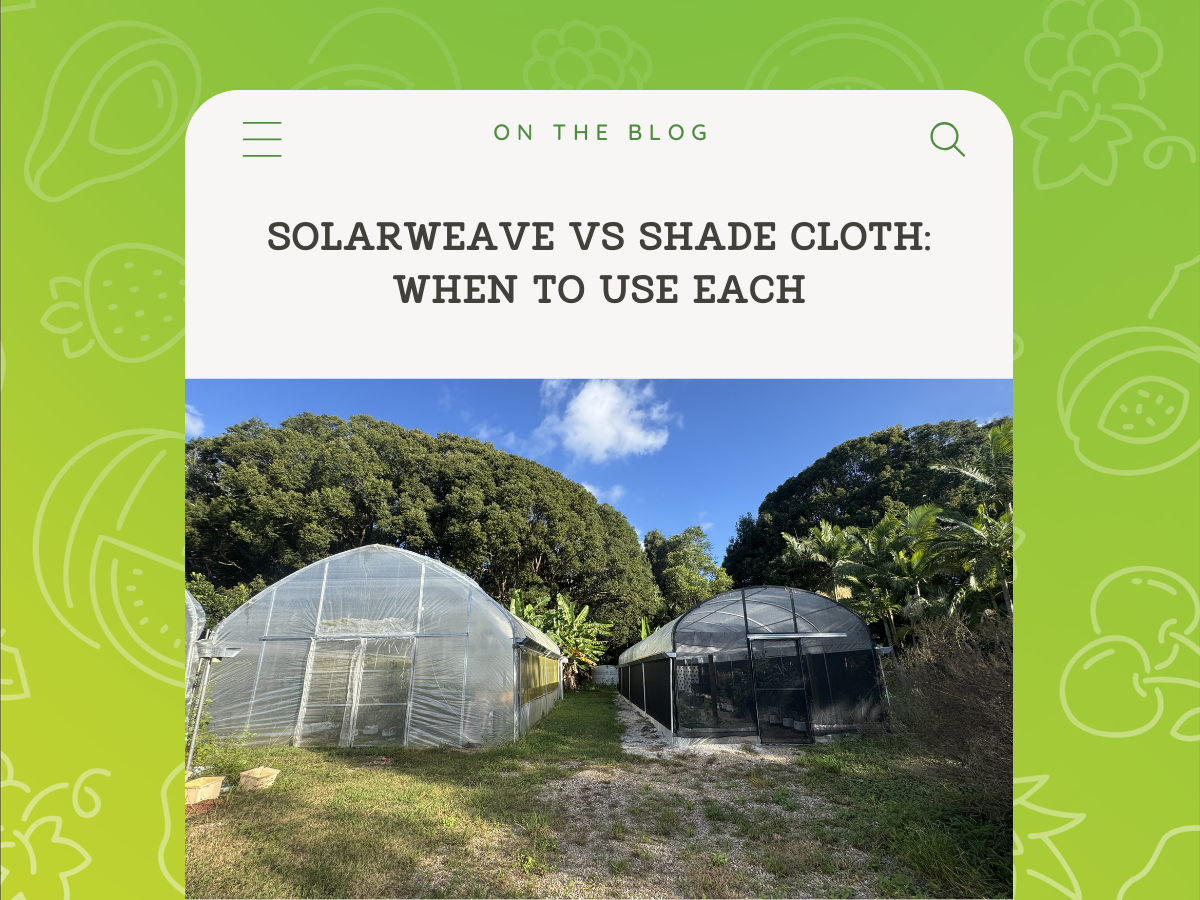
If you're growing in Australia, managing heat, light and weather protection inside a tunnel is one of the most important parts of maintaining healthy crops.
One of the most common questions growers ask is: Should I use Solarweave or shade cloth on my polytunnel?
The reality is that the best solution often isn’t choosing one or the other — it’s selecting the right tunnel configuration for your climate, crops and growing goals.
At GROW Tunnels, we offer several tunnel configurations designed for different growing environments across Australia. Each option provides a different balance of weather protection, ventilation and temperature control.
In this guide, we’ll explain the three most common setups and when each one works best.
First things first…
What is Solarweave? (Quick Explanation)
Solarweave is a woven greenhouse-grade polytunnel cover designed to create a protected growing environment. It allows high levels of diffused sunlight to reach plants while protecting crops from heavy rain, wind and small hail. By trapping warmth inside the tunnel, Solarweave helps extend the growing season and supports more consistent crop growth.
What is a Shade House?
A shade house is a growing structure covered primarily with shade cloth rather than a solid greenhouse film. Instead of trapping heat, shade houses focus on reducing sunlight intensity and improving airflow. This helps protect plants from extreme heat, sunburn and wind while still allowing rain and natural airflow through the structure.
Option 1: Standard Grow Tunnel (Solarweave Cover)
The most popular configuration is a standard GROW Tunnel with a full Solarweave cover.
This setup uses Solarweave across the roof of the entire tunnel structure and both end walls, combined with 2-3 metre high, roll-down side walls that when rolled down cover an internal insect/shade net wall that is used for ventilation when the Solarweave side is rolled up.l
Key benefits
Excellent season extension through autumn, winter and early spring
Protection from heavy rain, wind and light hail
Diffused sunlight that promotes even plant growth
Flexible ventilation through roll-up sides
The internal shade or insect mesh walls allow growers to maintain airflow when the outer Solarweave layer is rolled up, but still prevents rain due to the Solarweave roof; perfect for hot rainy days.
For many growers, this setup provides the best balance of crop protection and climate control. An optional gutter system can also be attached to harvest rainwater from the roof.
This configuration is ideal for:
Market gardeners
Backyard growers wanting year-round production
Crops such as tomatoes, cucumbers, capsicum and herbs
Regions with unpredictable weather events
Option 2: Shade Cloth Tunnel with Solarweave Roof
In hotter regions, some growers prefer a setup that provides greater airflow and cooling while still maintaining protection from heavy rain.
This configuration uses Solarweave across the roof arch only and doesn’t extend down the side or end walls. The side, front and back walls are constructed from shade cloth.
The Solarweave roof continues to provide protection from heavy rain and allows rainwater harvesting from the gutter system. At the same time, the shade cloth side and end walls allow significantly more airflow through the tunnel.
Key benefits
Increased airflow for hot climates
Protection from heavy rain events
Reduced heat buildup compared with fully enclosed tunnels
Protection from pests and animals
This setup creates a hybrid environment between a traditional polytunnel and a shade house.
It’s a good option for growers who want a protected structure with strong airflow, particularly in regions of Australia where it is warm all year round and frost isn’t an issue.
This configuration is commonly used for:
Leafy greens
Nursery production
Herbs
Warmer growing regions (e.g. tropical and subtropical environments)
Hydroponic setups
Option 3: Full Shade Cloth Tunnel (Shade House)
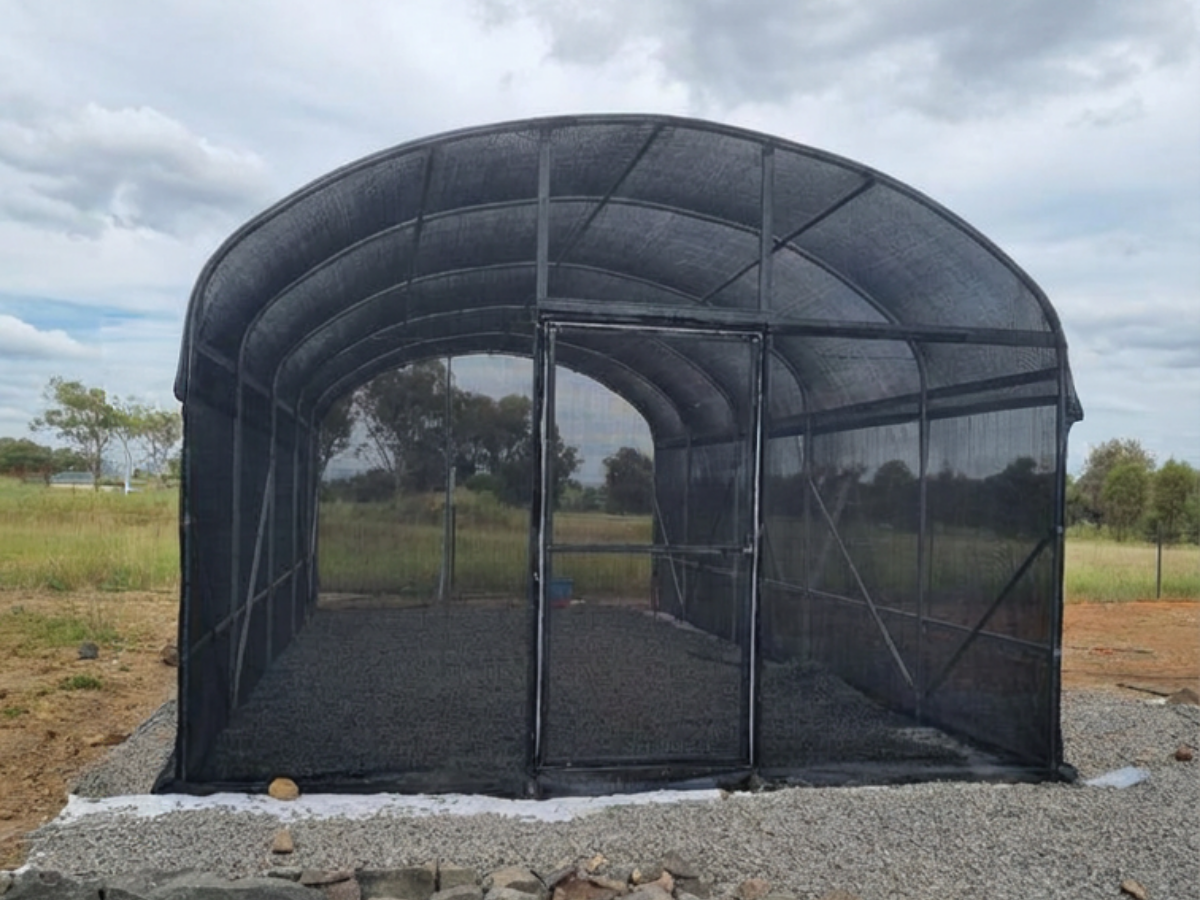
For growers primarily focused on cooling and airflow, a full shade cloth tunnel may be the best option.
In this setup, the roof, side walls, doors and end walls are all constructed from shade cloth rather than Solarweave.
While this structure does not trap warmth or protect crops from rain, it provides excellent ventilation and protection from intense sunlight. The material also breaks up heavy rain drops and diffuses them into a smaller drop, which can reduce crop loss.
Key benefits
Maximum airflow and cooling
Protection from sunburn and heat stress
Reduced light intensity for sensitive crops
Protection from birds and animals
Despite having a shade cloth cover only, these tunnels are still built with the same heavy-duty galvanised steel frames used across the GROW Tunnels range, providing long-term durability.
This setup is ideal for:
Very hot climates
Summer production
Plant propagation
Shade-loving crops
Using Shade Inside a Solarweave Tunnel
Why not have the best of both worlds! In many cases, the most flexible solution is combining a Solarweave tunnel with an internal retractable shade cloth system.
Internal shade cloth can be installed along wires inside the tunnel, allowing growers to move or adjust the shading throughout the day.
This allows you to:
Shade only part of the tunnel
Move shade as the sun shifts
Retract shade easily during cooler periods
Rather than applying shade seasonally, many growers adjust their shading daily during hot weather to protect crops during peak heat while still allowing maximum light during cooler periods.
How Do You Choose the Right Tunnel Setup?
When choosing between Solarweave and shade options, it helps to consider a few simple questions:
How hot does my region get during summer?
Do I need protection from heavy rain?
Am I growing through winter?
What crops am I growing most often?
If your goal is year-round production and weather protection, a full Solarweave tunnel will usually be the best starting point.
If your region experiences extreme heat, a hybrid or shade-focused structure may provide better airflow and cooling.
Final Thoughts
There’s no single tunnel setup that works for every grower. The right structure depends on your climate, crops and growing goals.
Solarweave provides season extension and protection from weather, while shade cloth offers cooling and airflow during hotter conditions.
By selecting the right configuration — or combining the two — you can create a growing environment that supports healthy crops and consistent harvests throughout the year.
If you’re unsure which setup suits your property, our team can help you design a tunnel configuration that works for your local climate and growing plans.
With the right structure in place, protected growing becomes far more predictable, and far more productive.
Frequently Asked Questions
Do polytunnels need shade cloth in Australia?
In many parts of Australia, shade cloth can be helpful during peak summer conditions. While Solarweave helps protect crops and extend growing seasons, adding internal shade cloth during hot periods can reduce heat stress and protect sensitive crops.
What shade percentage is best for a polytunnel?
Most growers use shade cloth between 30% and 50% depending on climate and crop type. Lighter shade allows strong plant growth while reducing heat load, while heavier shade may be used in very hot regions or for sensitive plants.
Can you grow year-round in a polytunnel?
Yes. One of the main benefits of a polytunnel is season extension. By protecting crops from weather and managing temperature through ventilation and shading, growers can often produce crops much earlier in spring and continue harvesting later into autumn and winter.
Is a shade house better than a polytunnel?
Neither structure is universally better — they simply serve different purposes. Polytunnels with Solarweave covers are ideal for season extension and weather protection, while shade houses are designed primarily for cooling and airflow in hot climates. Many growers choose the option that best suits their local conditions and crop selection.