
Keeping Crops Cool: A Guide to Fans and Internal Shading in Your Polytunnel
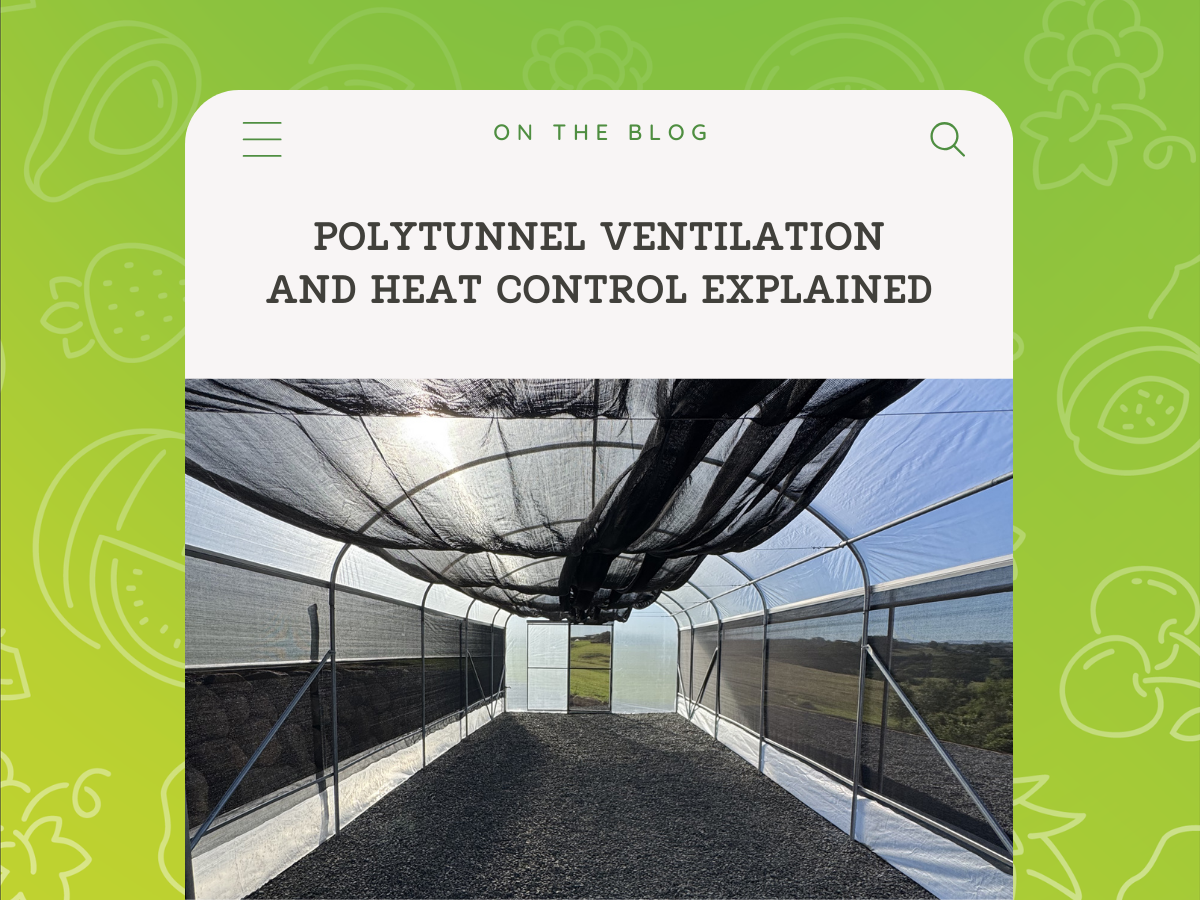
In the diverse and challenging climate of Australia, managing internal temperatures within polytunnels isn't just best practice; it is a fundamental requirement for the viability and profitability of horticultural operations. The intense solar radiation, prolonged periods of high ambient temperatures, and the potential for heat waves can quickly transform a productive growing environment into one that severely stresses, damages, or even kills crops. Effective heat management is therefore paramount, influencing everything from plant physiological processes like photosynthesis and transpiration to overall yield quality and quantity. Without a robust strategy for cooling, growers risk significant financial losses and compromised crop health, making climate control a non-negotiable priority for Australian polytunnel farmers.
Signs of Heat Stress in Tunnel Crops: Early Detection is Key
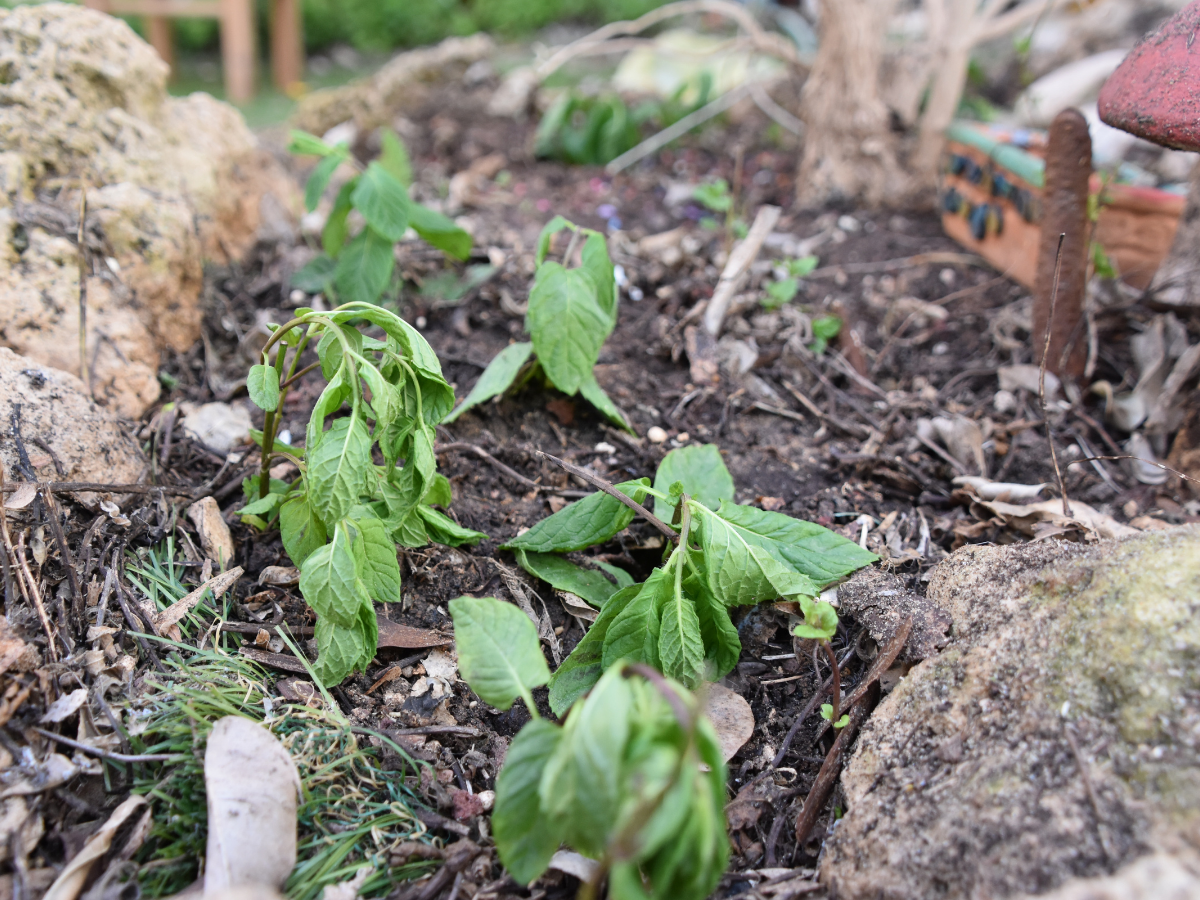
Recognising the early indicators of heat stress is crucial for timely intervention and minimising damage. Plants under heat stress exhibit a range of symptoms, often beginning subtly before escalating. The most common and immediate sign is wilting, where leaves droop due to the plant losing more water through transpiration than it can absorb from the soil. This is a survival mechanism to reduce water loss. Beyond wilting, you might observe leaf scorch or browning, particularly around the edges, as plant tissues are damaged by excessive heat. Growth can become stunted, leading to reduced vigor and smaller overall plant size. Flowering and fruit set may be significantly reduced or fail entirely, impacting yield. In severe cases, fruits can become sunscalded, discoloured, or develop poor texture. Leaves might also turn yellow or prematurely drop. Monitoring these visual cues diligently allows growers to implement cooling measures before irreversible damage occurs, protecting your investment and ensuring continued productivity.
Using Fans Effectively in Polytunnels: The Science of Active Ventilation
Fans are an indispensable tool in active ventilation systems, playing a multifaceted role in maintaining an optimal polytunnel environment. Their primary function is air circulation, which actively breaks up stagnant hot air pockets that can form, particularly in the upper reaches of the tunnel. By moving air, fans facilitate air exchange, drawing in outside air and expelling warmer, humid internal air.
For optimal cooling, the strategic placement of fans is critical. In a traditional end-to-end ventilation system, large exhaust fans are typically installed at one end of the polytunnel, drawing air through the entire length of the structure, while inlet vents or louvres are positioned at the opposite end. For internal circulation, horizontal airflow (HAF) fans can be strategically placed to create a gentle, continuous air movement that helps equalise temperatures and humidity throughout the growing space. This prevents localised hot spots and ensures that all plants benefit from air circulation.
The efficiency of a fan system is measured by its capacity to replace the air in the greenhouse, often expressed in terms of air changes per minute (ACPM) or hour (ACH). For hot Australian conditions, the goal is often one air exchange per minute, or 60 air changes per hour. This requires fans with sufficient cubic feet per minute (CFM) ratings relative to the volume of the polytunnel. Fan models with higher CFM ratings are necessary for larger structures. The tunnel size, climate location, growing conditions and what crops you are growing will affect the ventilation requirements of your tunnel. You can find more information on air exchange requirements for Australian growing conditions via the Department of Industry website here.
Furthermore, ensuring that fans are energy-efficient is important for long-term operational costs. Regular cleaning of fan blades and motors is essential; dust and debris can significantly reduce efficiency and lead to premature wear. Maintaining proper tension on fan belts (if applicable) and lubricating bearings ensures smooth, quiet operation and extends the lifespan of the equipment.
It is also good to consider the Watts or kW of power required by the fan(s), especially if running from solar. Most fans require a bit more power than their stated amount on start up e.g. a 750W fan might run at 750W but require 1kW at start up.
For comprehensive cooling, particularly in larger or multi-span tunnels, a combination of exhaust fans and internal circulation fans provides the most robust solution.
Installing and Using Shade Cloths:
Harnessing Passive Cooling
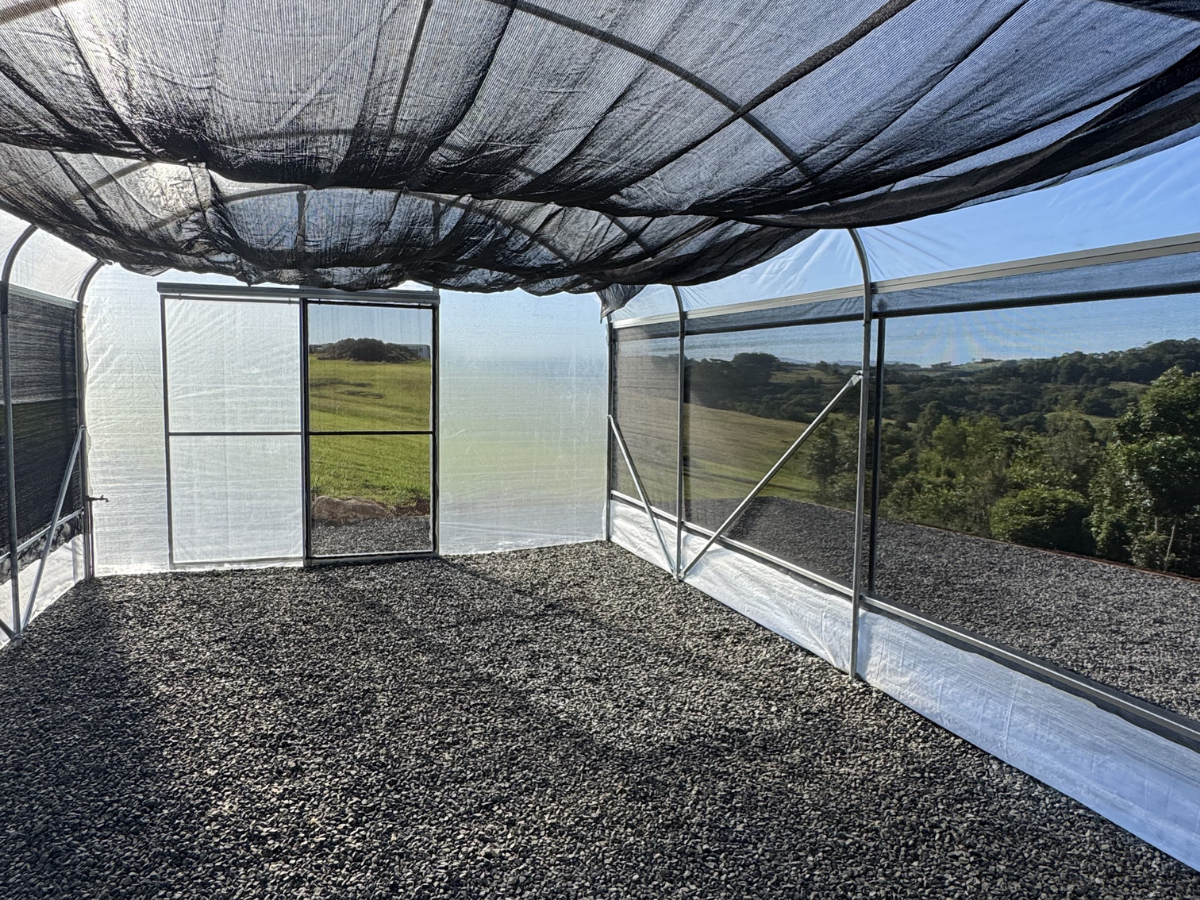
Shade cloths are a highly effective and relatively low-cost passive cooling strategy that works by intercepting and scattering solar radiation before it can heat the interior of the polytunnel. They essentially reduce the amount of direct sunlight, thereby lowering internal temperatures and preventing heat stress.
shade cloth considerations
Shade Percentage
This refers to the percentage of light the cloth blocks. Common percentages range from 30% to 70%. The ideal percentage depends on the specific crops being grown and the intensity of the local sunlight. In general, especially during the hotter Australian summer months, vegetable growers usually require 50% shadecloth to allow ample sun through whilst protecting crops from too much direct UV. Too much sun and your crops can suffer from heat, too little and your crops can grow ‘leggy’ as they reach toward the sunlight, putting their energy into surviving, rather than producing food for you to eat.
Material and Durability
Most shade cloths are made from knitted polyethylene, which is UV-stabilised for longevity.
Colour
The colour of your shade cloth is more than just aesthetics. Different shade net colours influence plant growth by altering how light and heat interact with crops. Green nets provide moderate shading while still allowing enough light for photosynthesis, making them a widely used general option. Black nets absorb more light and heat, reducing temperature and helping prevent sunburn, potentially providing better internal cooling of your tunnel. White nets reflect more light and heat, creating a cooler environment that benefits heat-sensitive plants and can help maintain flower colour or delay flowering.
Shade Cloth Installation Options
Shade Cloth Installation Options
Shade cloth can be installed either inside or outside your polytunnel. Each approach has advantages depending on the size of the tunnel and how you plan to manage temperature throughout the season.
Internal Shade Installation (Most Practical)
For most backyard growers and small market gardens, installing shade cloth inside the tunnel is the simplest and most flexible option.
Internal shade systems are typically installed on wires or rails above head height, running along the length of the tunnel. The shade cloth can then be easily moved or repositioned as needed.
This flexibility allows growers to:
Shade only part of the tunnel, rather than the entire structure
Adjust shading throughout the day as temperatures rise and fall
Retract the shade quickly when maximum light is required e.g. on cloudy, overcast days.
Many growers move their shade cloth regularly during hot weather, shifting it to protect sensitive crops or seedlings during peak heat while allowing full sunlight when temperatures cool.
Internal shading also helps diffuse light more evenly throughout the tunnel, which can reduce plant stress and encourage more consistent growth. For our Mini & Rural GROW Tunnel setups, this internal system provides the best balance of cooling, flexibility and simplicity.
External Shade Installation (Commercial Systems)
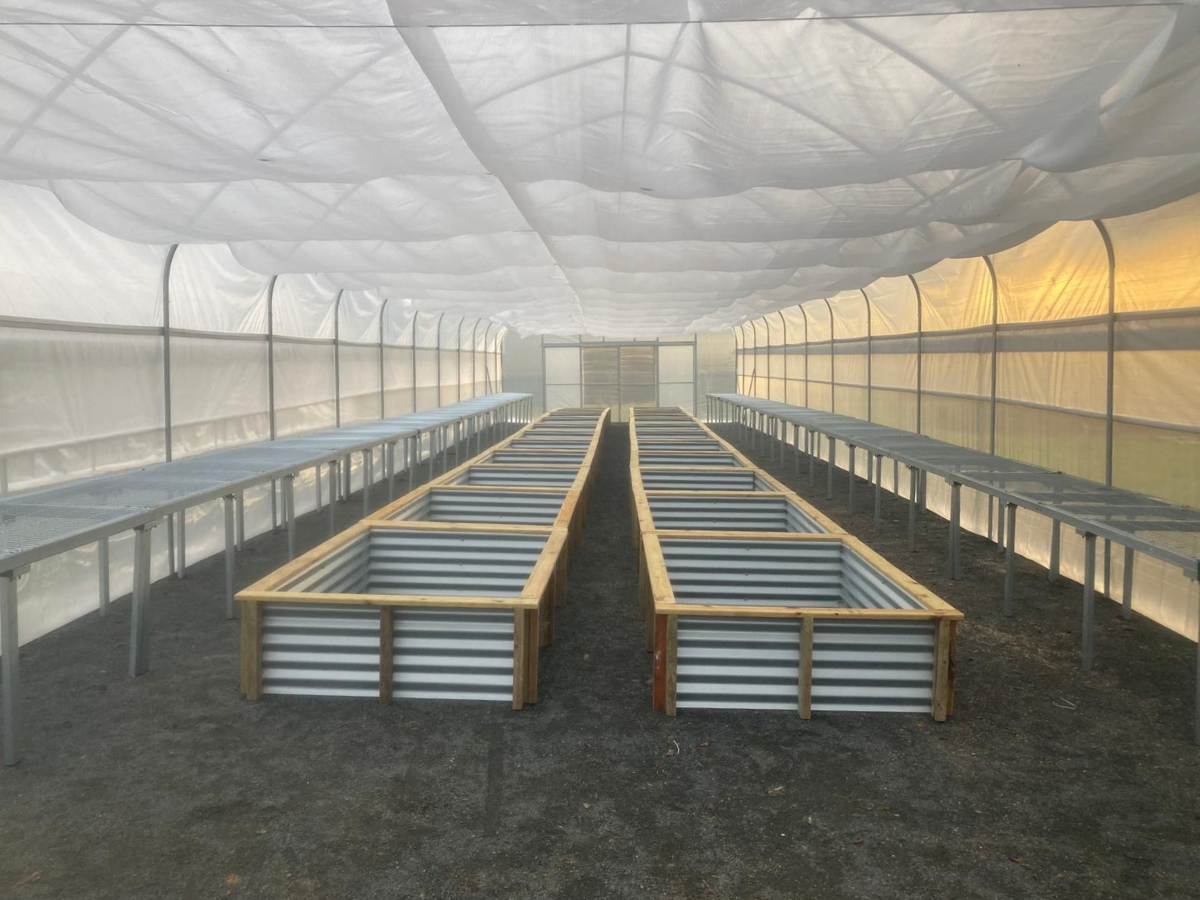
External shade cloth is typically used on larger commercial tunnels where additional infrastructure is available. In this setup, the shade cloth sits above the tunnel structure, blocking a portion of the sun’s heat before it reaches the cover. This can provide stronger cooling performance during extreme heat.
However, external systems require additional framing to hold the shade cloth above the tunnel surface allowing for ventilation between the two layers. On larger commercial models, shadecloth systems can be motorised, allowing growers to open or close the shade cloth quickly as conditions change.
Because of the extra structure and cost involved, external shade systems are generally reserved for larger commercial tunnels rather than smaller backyard installations.
Ventilation Best Practices: The Cornerstone of Polytunnel Climate Control
Ventilation is arguably the most critical aspect of environmental management in a polytunnel, serving multiple vital functions beyond just temperature regulation. It is essential for:
Temperature Management: Expelling hot, stagnant air and drawing in cooler ambient air.
Humidity Management: Reducing excessive humidity that can lead to fungal diseases.
Air Circulation: Ensuring uniform temperatures and preventing localised hot or cold spots.
Carbon Dioxide Replenishment: Plants consume CO2 during photosynthesis; good ventilation replaces depleted CO2, which can become a limiting factor in sealed environments.
As previously mentioned, an ideal ventilation rate for hot, sunny Australian conditions is 60 air changes per hour (ACH), or one air exchange every minute. This high rate is necessary to counteract the rapid heat buildup characteristic of polytunnel environments under strong solar radiation.
How Do You Ventilate a Polytunnel?
Polytunnels are ventilated by allowing warm air to escape and cooler air to enter through strategic openings. Most tunnels use roll-up side walls and end-wall doors to create natural airflow, while larger commercial tunnels may also include roof vents to release rising hot air.
Good ventilation keeps temperatures stable, reduces humidity, and helps prevent plant diseases while maintaining healthy airflow around crops.
Passive Ventilation:
Passive ventilation uses natural airflow, temperature differences, and wind pressure to regulate the environment inside a polytunnel. As warm air rises and cooler air enters through lower openings, a natural circulation pattern develops that helps stabilise temperature and reduce humidity.
A well-designed tunnel uses strategically placed openings to make this airflow as effective as possible.
Roof Vents (Commercial Tunnels): Roof vents are effective ways in releasing built-up heat from a tunnel. Because hot air naturally rises, vents placed at the highest point of the structure allow excess heat to escape through the roof. This creates a natural chimney effect, where hot air exits from above while cooler air is drawn in from lower openings.
For this reason, roof vents are primarily used on larger commercial tunnels, where the greater height of the structure enhances this airflow effect.
On commercial setups, these vents can also be connected to automated systems that open or close based on internal temperature, helping maintain stable growing conditions during hotter periods.
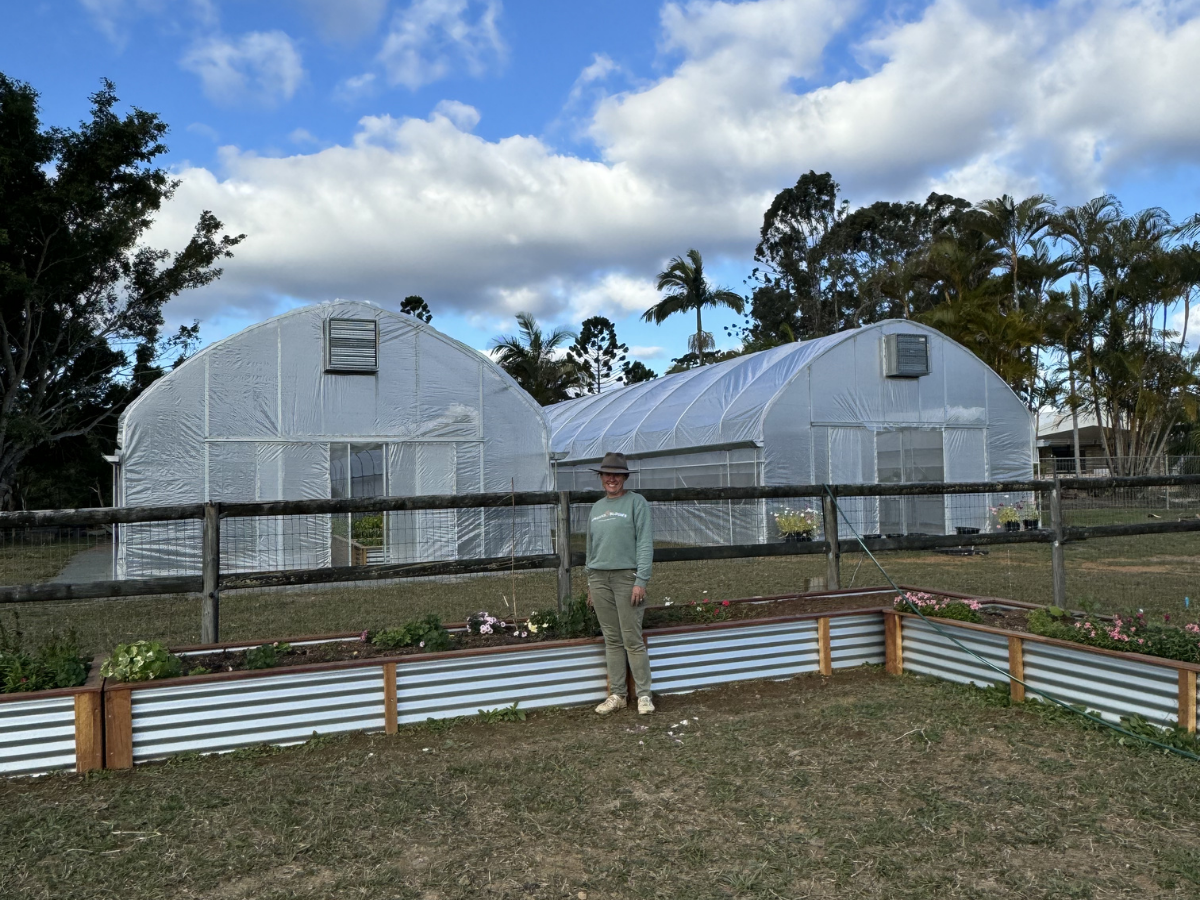
Side Wall Ventilation (Mini & Rural Tunnels): Mini and Rural GROW Tunnels rely primarily on roll-up side wall ventilation.
Opening the side walls allows fresh air to enter at plant level. This creates steady airflow that cools crops and reduces humidity around the plants.
Combined with doors at both ends of the tunnel, this system allows air to move freely through the structure and creates effective cross-ventilation on warmer days. In hotter climates, growers may also install circulation or exhaust fans to further assist warm air extraction through the upper areas of the tunnel.
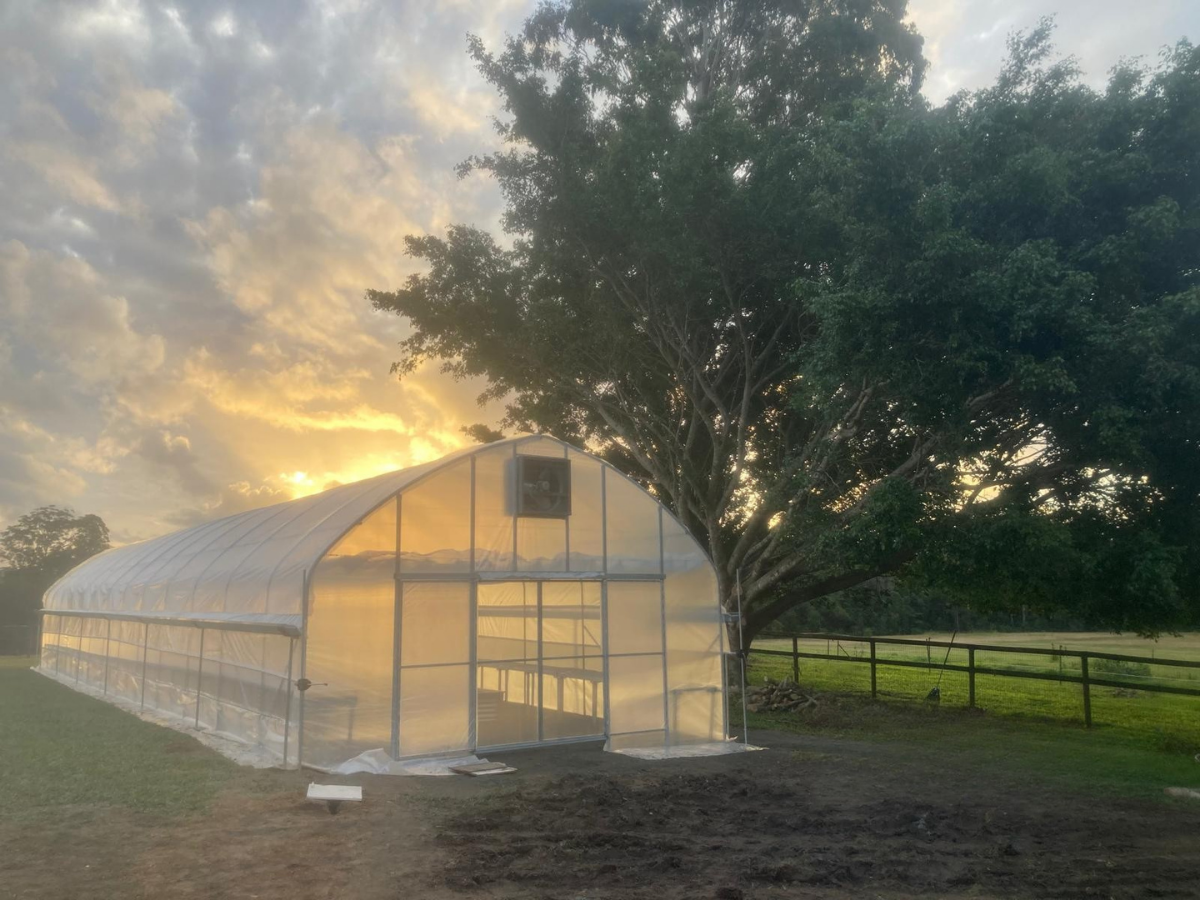
Insect or Shade Net Ventilation: End-wall doors are fitted with either insect mesh or shade net, allowing airflow whilst maintaining protection from pests. While mesh slightly reduces airflow, the large side ventilation areas and open doors ensure the tunnel can still maintain strong natural air movement.
Active Ventilation:
This method uses mechanical equipment to force air movement.
Exhaust Fan Systems: As discussed, large exhaust fans at one end of the tunnel pull air out, creating negative pressure that draws fresh air in through intake vents at the opposite end. This system provides precise control over airflow rates and can be automated.
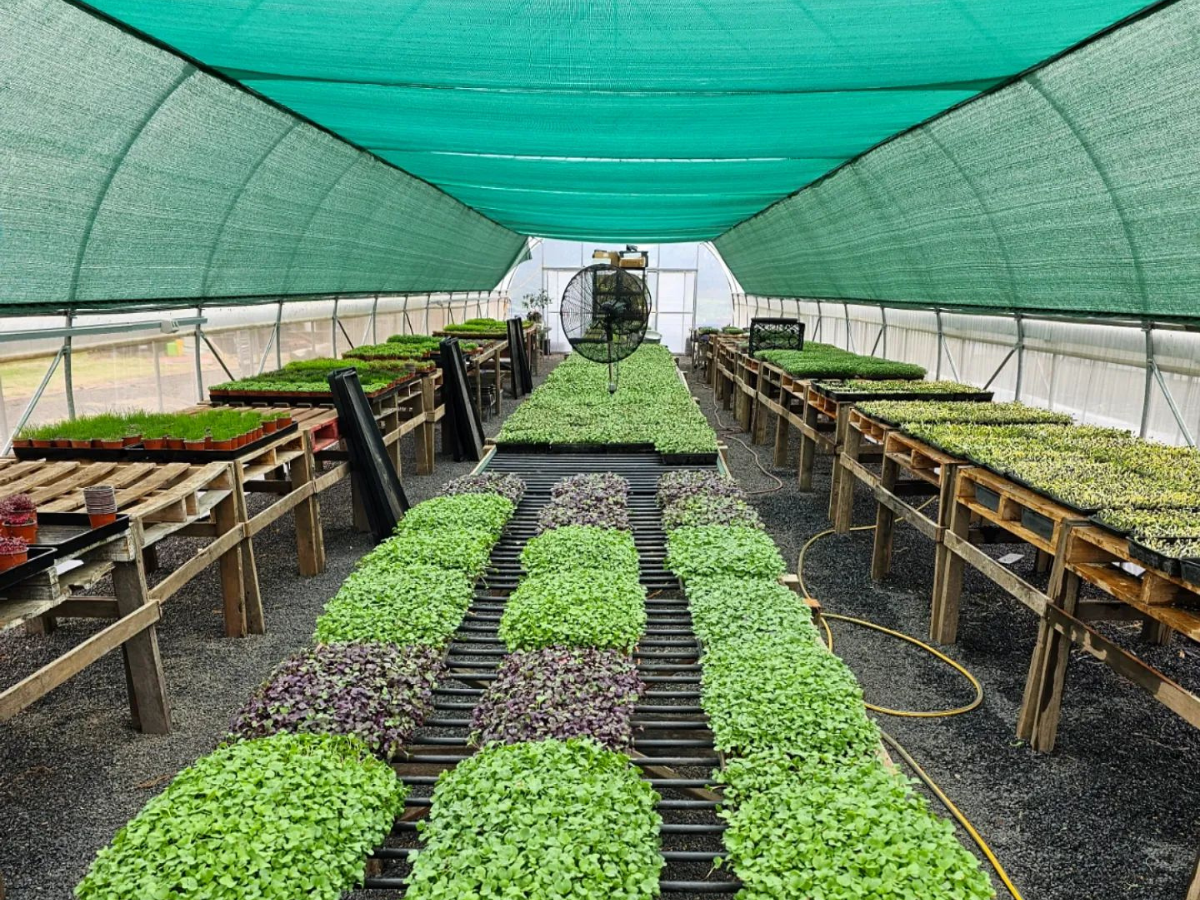
Circulation Fans (HAF Fans): Horizontal Airflow (HAF) fans strategically placed within the polytunnel create a continuous, gentle air current that mixes the air, reduces stratification (layers of hot and cold air), and helps equalise temperatures and humidity. They are crucial for ensuring uniform conditions throughout the entire growing space, preventing pockets of stagnant, hot, or humid air.
Evaporative Coolers (Pad and Fan Systems): For extreme heat, evaporative cooling systems can be highly effective. These systems work by drawing hot, dry air through wet cellulose pads. As water evaporates from the pads, it absorbs heat from the air, causing the air temperature to drop before it enters the growing area. While very efficient at cooling, they also significantly increase humidity, which needs to be managed based on crop requirements.
Watering strategies to reduce heat impact: Beyond basic hydration
While distinct from direct cooling mechanisms, strategic watering plays a crucial supportive role in mitigating heat stress in polytunnels. Plants cool themselves through a process called transpiration, where water vapour evaporates from their leaves, much like sweat cools human skin. Ensuring plants have a consistent and adequate supply of water is vital for this process to occur effectively. When water supply is insufficient, the plant's ability to transpire is compromised, leading to a rapid rise in internal tissue temperature.
Here are key watering strategies to consider:
Adequate and Consistent Supply: The most fundamental aspect is to ensure plants never experience drought stress. This means providing enough water to meet their daily needs, which will significantly increase during hot periods. Deep, infrequent watering is generally more beneficial than shallow, frequent watering, as it encourages deeper root growth and better access to soil moisture.
Timing of Watering: Watering in the early morning is often ideal. This allows the plants to fully hydrate before the peak heat of the day, maximising their ability to transpire and cool themselves. Watering in the evening can be done, but it can also increase humidity levels overnight, potentially encouraging fungal diseases in susceptible crops. Avoid watering during the hottest part of the day as much of the water can be lost to evaporation before it reaches the root zone.
Monitoring Soil Moisture: Relying solely on a schedule isn't always best. Use a soil moisture meter or simply feel the soil a few inches deep to determine if watering is genuinely needed. Overwatering can lead to root rot and other issues, even in hot conditions.
Evaporative Cooling on Surfaces (with caution): In some very dry climates, lightly wetting pathways or the floor of the polytunnel can create a slight evaporative cooling effect. However, this must be done with extreme caution, as it significantly increases ambient humidity, which can be detrimental to many crops. It's generally not recommended for crops sensitive to high humidity.
Misting (Crop-Specific): For certain crops that thrive in high humidity (like tropical varieties or during propagation), very fine misting can directly cool the plant leaves through evaporation. However, for the majority of common polytunnel crops, misting can promote fungal diseases if not managed carefully with excellent air circulation.
Crop-Specific Cooling Needs:
Tailoring the Environment for Optimal Growth
Understanding that different crops have distinct temperature and humidity preferences is paramount for effective heat management. A "one-size-fits-all" approach to cooling will inevitably lead to suboptimal growth or even crop failure for some species.
Tomatoes
Tomatoes generally prefer warm, but not excessively hot, conditions. Ideal daytime temperatures range from 21-29°C. They are very susceptible to flower drop and poor fruit set if temperatures consistently exceed 30-35°C, especially when combined with high humidity. Good ventilation is critical for tomatoes to prevent both heat stress and humidity-related issues like powdery mildew and blight. Supplemental shade cloth (50%) can be beneficial during peak summer heat.
Leafy Greens (Lettuce, Spinach, Arugula)
These crops are highly sensitive to heat. High temperatures can cause them to bolt (go to seed prematurely), become bitter, and scorch. Ideal temperatures are typically much cooler, ranging from 15-24°C. For leafy greens, significant shade (50-60%) is often required during hot periods to keep leaf temperatures down. Excellent air circulation is also important to prevent damping-off diseases and maintain crispness. Some growers might even consider planting heat-tolerant varieties to extend their growing capacity throughout warmer months.
Cucumbers
Cucumbers are heat-loving plants and generally thrive in warm conditions, similar to tomatoes. However, they are also prone to fungal diseases if humidity becomes too high without adequate airflow. While they appreciate warmth, excessive heat (above 35°C/95°F) can lead to reduced fruit set or malformed fruits. Good ventilation, often combined with light shading during the hottest parts of the day, helps maintain their preferred balance of warmth and moderate humidity.
Other Considerations:
Peppers/Capsicums: Similar to tomatoes, they prefer warm conditions but can suffer flower drop in extreme heat.
Eggplants: Very heat tolerant, often thriving in conditions that might stress other plants. Still benefit from good air circulation to prevent pest issues.
Tropical Crops (Ginger, Turmeric): These thrive in high heat and high humidity, so evaporative cooling systems might be highly beneficial, and less ventilation might be required to maintain humidity.
Understanding these specific tolerances allows growers to strategically place crops within the polytunnel (e.g., heat-tolerant crops near less ventilated areas, heat-sensitive crops near vents or under heavier shade) and adjust ventilation and shading accordingly.
Long-Term Climate Solutions for Polytunnels: Investing in Sustainability and Efficiency
Effective heat management in polytunnels shouldn't just be about reactive measures; it should involve a forward-thinking approach that integrates sustainable and energy-efficient solutions for long-term viability.
Automation and Environmental Control Systems
Modern polytunnel management increasingly relies on sophisticated automated control systems. These systems utilise a network of sensors (temperature, humidity, light intensity, CO2 levels) to continuously monitor the internal environment. Based on pre-set parameters and real-time data, they automatically operate ventilation fans, open/close vents, deploy/retract shade cloths, and activate irrigation systems. This precision control minimises energy waste, optimises growing conditions around the clock, and significantly reduces manual labour.
Energy-Efficient Equipment
When investing in fans, evaporative coolers, and other active cooling components, prioritise energy-efficient models. High-efficiency motors and well-designed fan blades can deliver the required airflow with less electricity consumption, leading to substantial long-term savings on operational costs.
Polytunnel Orientation and Design
Even before construction, considering the orientation of the polytunnel can significantly impact heat gain. Orienting the tunnel east-west can minimise direct sun exposure on the long sides during peak summer, though this can vary by specific location and solar path. Designing tunnels with adequate height and vent area from the outset (e.g., taller sidewalls and large roof vents for passive ventilation) can reduce the need for extensive active cooling.
Water Harvesting and Recycling
Implementing systems to harvest rainwater for cooling processes or irrigation reduces reliance on mains water and contributes to water sustainability. Our Rural & Commercial Tunnels* come with rain-water gutters to be able to harvest water directly from the solarweave roof of your polytunnel, for a closed-loop irrigation system.
* Available as an optional add-on for Mini GROW Tunnels.
Integrated Pest Management Considerations
Good airflow from proper ventilation helps deter many pests and diseases. By reducing humidity and creating less favourable conditions for pathogens, the need for chemical interventions can be lessened.
Protecting Plants = Protecting Yields
In summary, effective heat management within polytunnels is a multi-faceted challenge, but one that is entirely manageable with the right strategies and equipment. From recognising the subtle signs of heat stress to deploying a combination of active and passive cooling solutions – including efficient fans, strategic shade cloths, robust ventilation practices, and smart watering – growers can create an optimal microclimate. Understanding the specific needs of different crops further refines these approaches. By investing in these climate control measures, whether through DIY efforts or professional systems, polytunnel operators in Australia are not just protecting their plants; they are safeguarding their yields, ensuring the long-term health and productivity of their horticultural enterprises, and ultimately, their bottom line. A proactive and integrated approach to cooling is the key to thriving in the challenging Australian climate.