
Preparing Your Polytunnel for Autumn & Winter
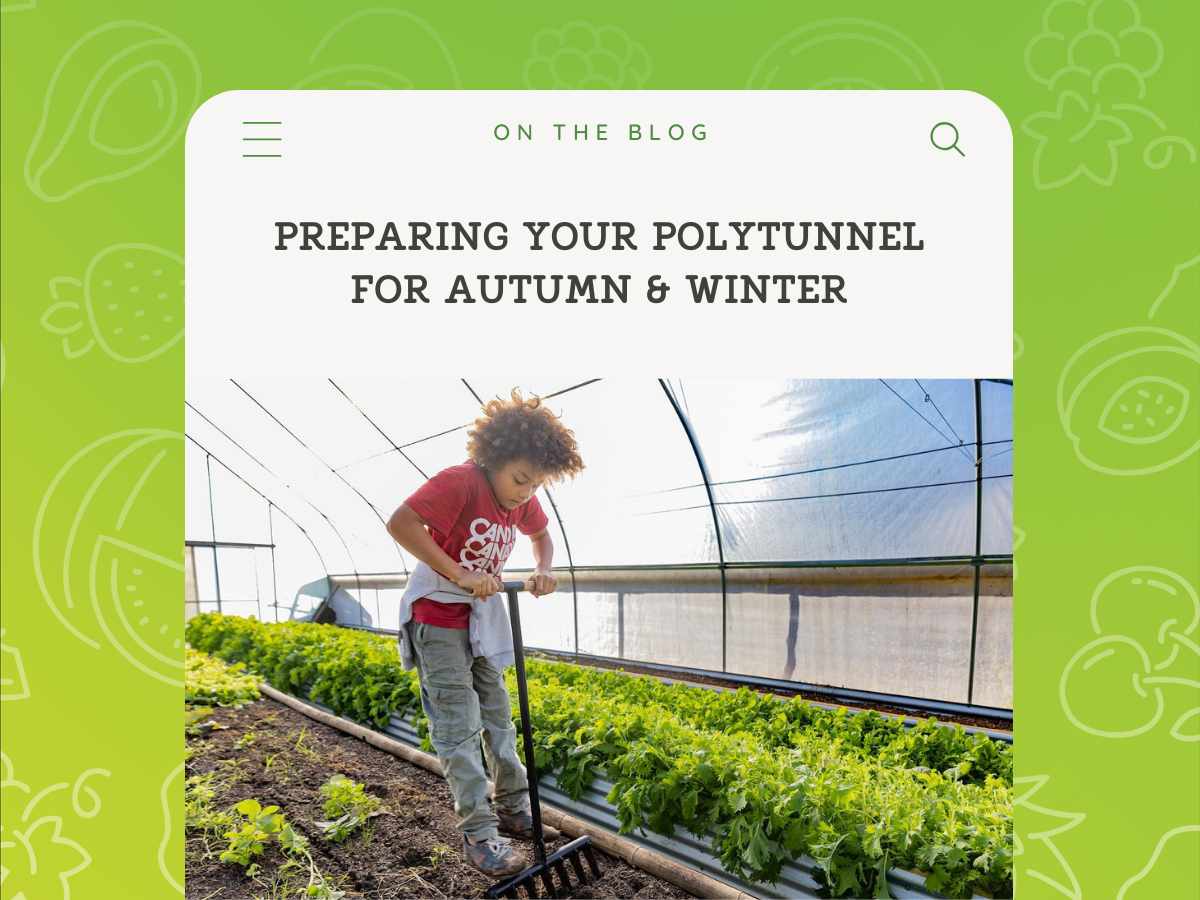
Autumn is one of the most important transition periods for tunnel growers.
As summer crops begin to wind down and temperatures gradually cool, this is the ideal time to reset your growing space and prepare for the months ahead.
A little preparation now can make a significant difference to how productive your tunnel remains throughout winter.
With the right setup, a polytunnel allows you to continue growing fresh food long after outdoor gardens slow down.
Here’s a practical checklist to help you prepare your polytunnel for autumn and winter in Australia.
1. Clear Out Summer Crops and Reset Your Beds
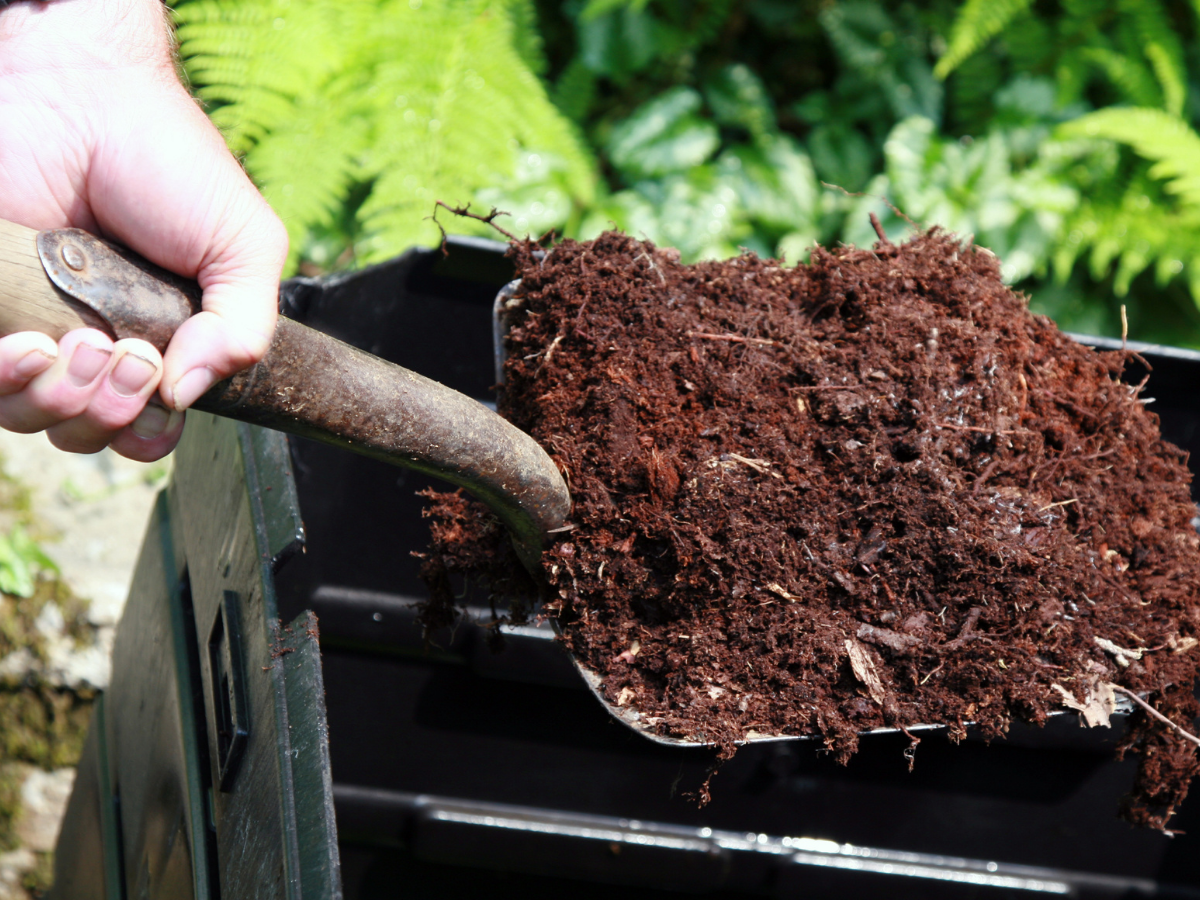
The first step in preparing your tunnel for the cooler season is removing spent summer crops.
Old plants can harbour pests and diseases that may carry over into the next planting cycle, so it’s best to clear them out completely.
When resetting your beds:
Remove old plant material and root systems where possible
Dispose of diseased plants away from the tunnel
Add compost or well‑aged organic matter
Loosen soil and prepare beds for new planting
Healthy soil going into winter sets the foundation for strong crop growth and consistent harvests.
Further Reading:
The benefits of applying good compost: A guide to composting methods.
2. Inspect the Tunnel Structure
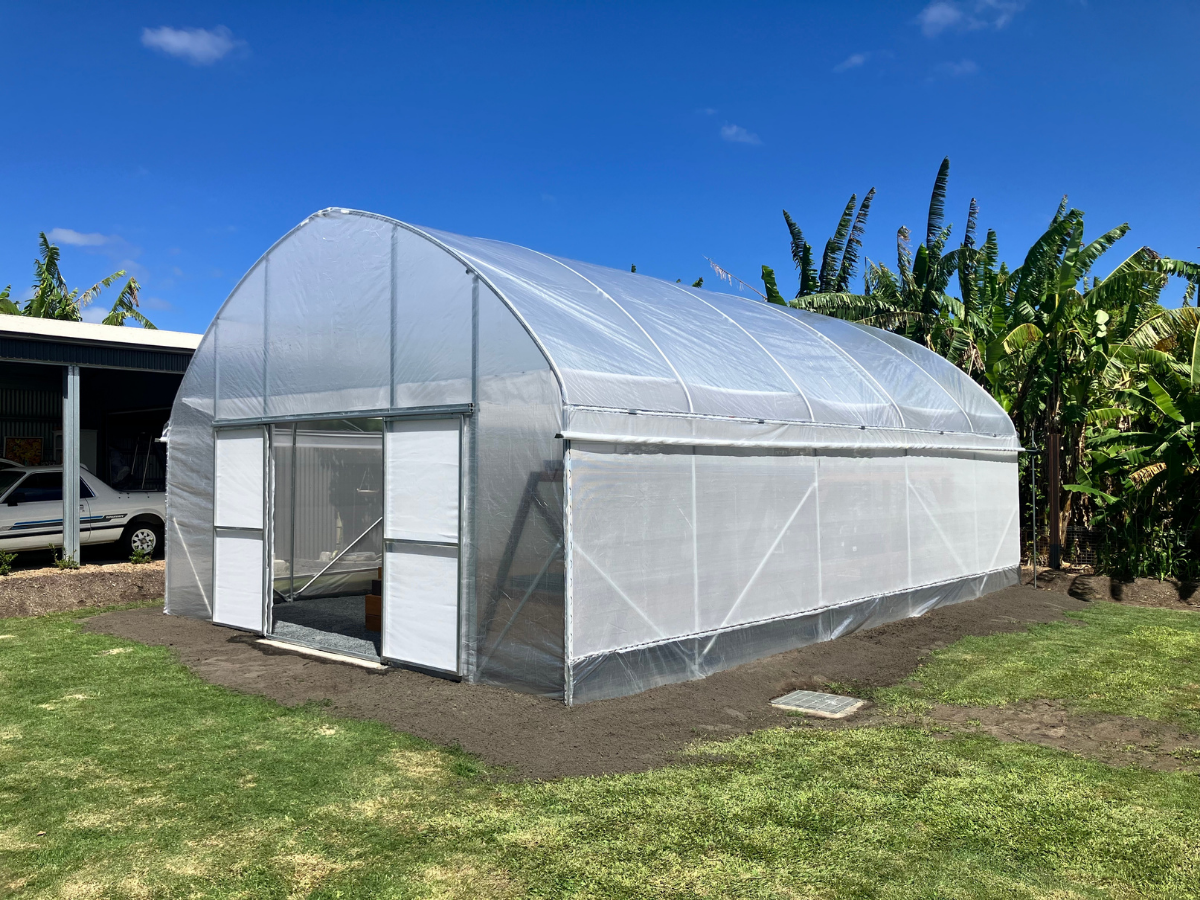
Autumn weather can bring strong winds and sudden storms in many parts of Australia, so it’s worth taking time to inspect your tunnel structure.
Check the following areas:
Cover tension and condition, apply Solarweave repair tape if any small nicks in the cover to stop them getting bigger.
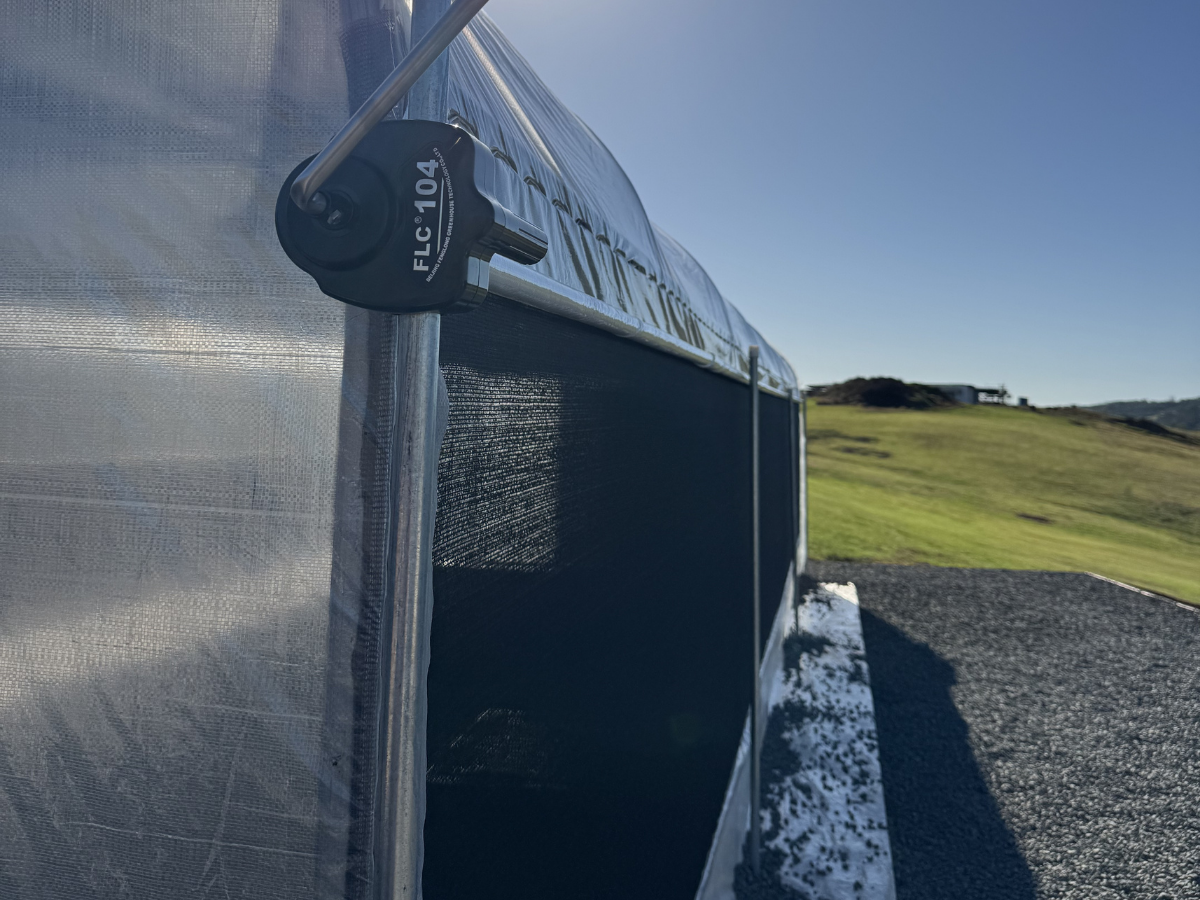
Remove any debris or dirt build up in door runners and side wall winders to ensure they’re functioning properly to be able to trap heat inside the tunnel.
Spray some WD40 in the wheels of the door rollers.
Look over structural bracing to ensure no areas are loose.
Clear out gutters and any blocks at the downpipe.
Wipe down the roll-down side walls and insect mesh / shade net walls to avoid algae buildup over the cooler months when walls are likely to be covering them.
Catching small maintenance issues early helps prevent bigger problems later in the season.
3. Adjust Your Ventilation Schedule
As temperatures begin to cool, ventilation needs change.
During summer you may keep your tunnel open for most of the day, but in autumn and winter it’s important to balance airflow with heat retention.
A simple approach is to:
Open ventilation mid‑morning once temperatures rise
Close earlier in the afternoon to trap warmth overnight
Monitor humidity levels inside the tunnel.
Maintaining the right balance of airflow and warmth helps prevent disease while protecting plants from cold nights.
Depending on the sunlight your tunnel receives during the day, you may need to pull shadecloth to one side, to allow plenty of light into the tunnel and avoid crops becoming too ‘leggy’.
Further Reading:
Keeping crops cool in a polytunnel
Solarweave vs Shadecloth: When to use each
4. Plan Your Autumn Crops
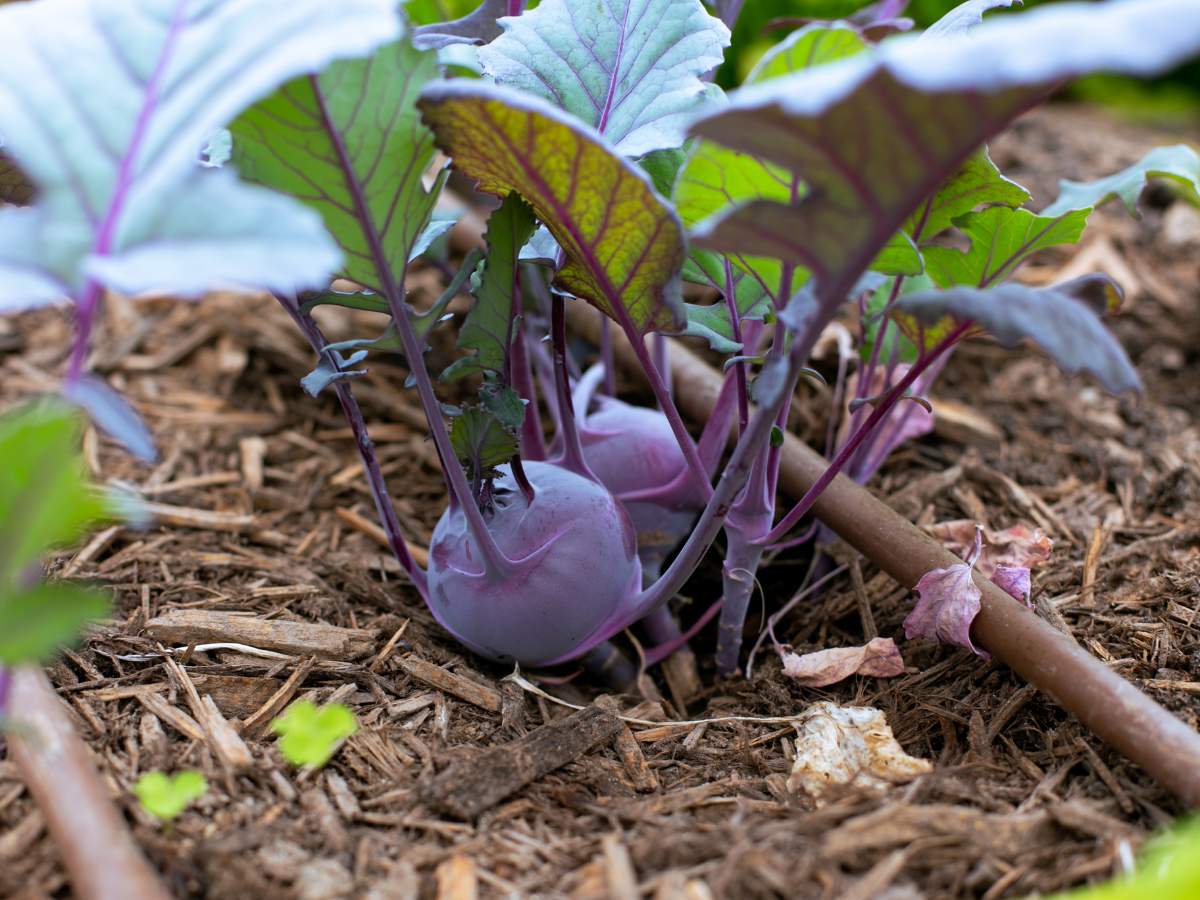
Autumn is an excellent time to establish cool‑season crops that will continue producing through winter.
Popular choices for tunnel growing include:
Trellis crops: Tomatoes, Cucumbers & Capsicums.
Leafy Greens: Lettuces & asian greens
Herbs: Parsley, dill, basil, thyme, oregano, sage
Root vegetables: Carrots, radishes, beetroots.
With the protection of a tunnel, these crops can thrive even as outdoor temperatures begin to fall.
Many growers also take advantage of the warmer microclimate inside a tunnel to extend summer crops such as tomatoes, cucumbers and capsicum further into the cooler months.
Further Reading:
Growing salad greens all year roundTomatoes in tunnels: Boosting yield and flavour
5. Prepare Frost Protection Strategies
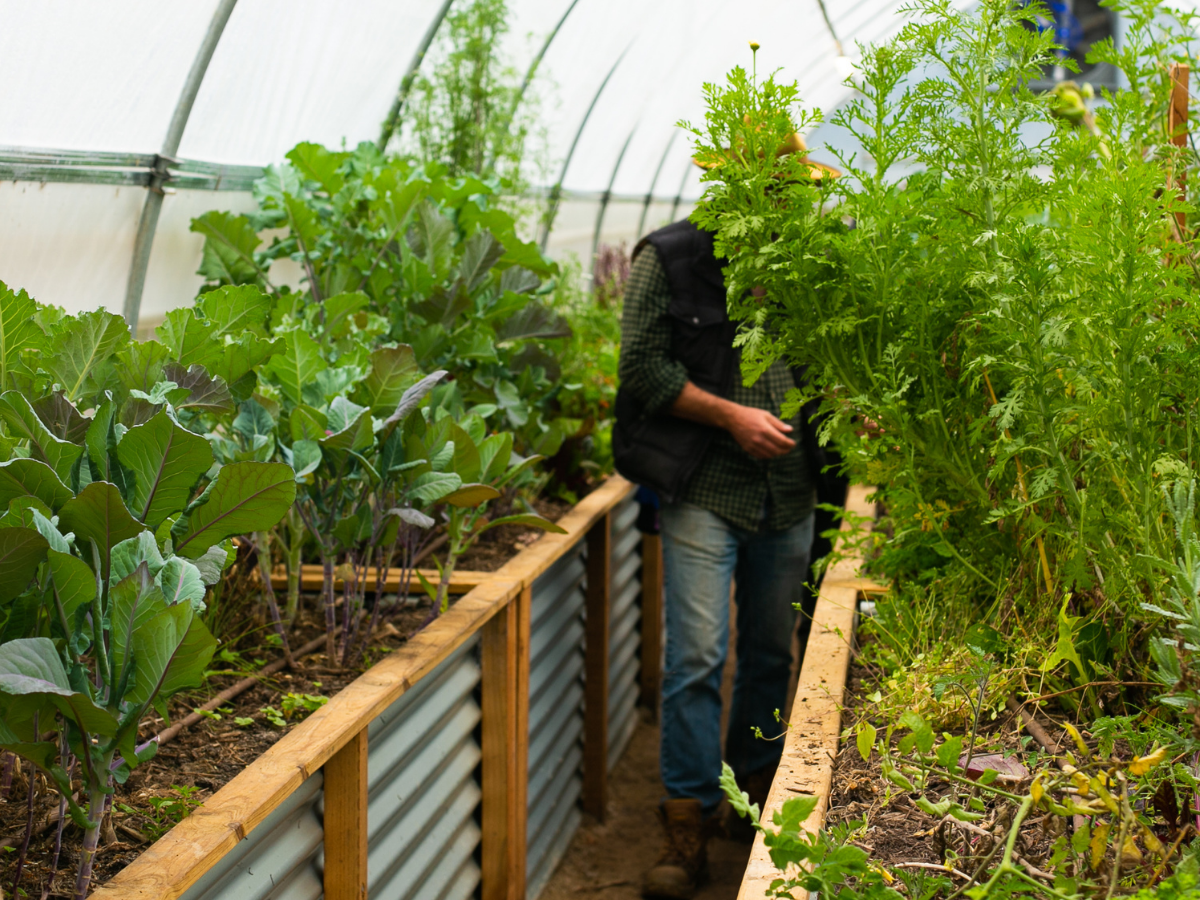
Even in milder regions of Australia, frost events can occasionally occur during winter.
A well‑sealed polytunnel helps reduce frost risk by trapping heat and protecting plants from cold winds.
To maximise frost protection:
Ensure to close the external Solarweave doors securely
Check for tears or damage in the cover
Maintain good soil moisture
Consider raised beds to improve drainage and warmth
Moist soil stores heat more effectively than dry soil, helping buffer overnight temperature drops.
6. Review Your Irrigation

As temperatures cool, plants generally require less water.
Continuing summer watering schedules can lead to waterlogging and increased disease pressure.
Take time to review your irrigation system and reduce watering frequency where necessary.
Some growers also adjust irrigation timing to water earlier in the day so excess moisture can evaporate before evening temperatures drop.
7. Create a Space for Seedling Production
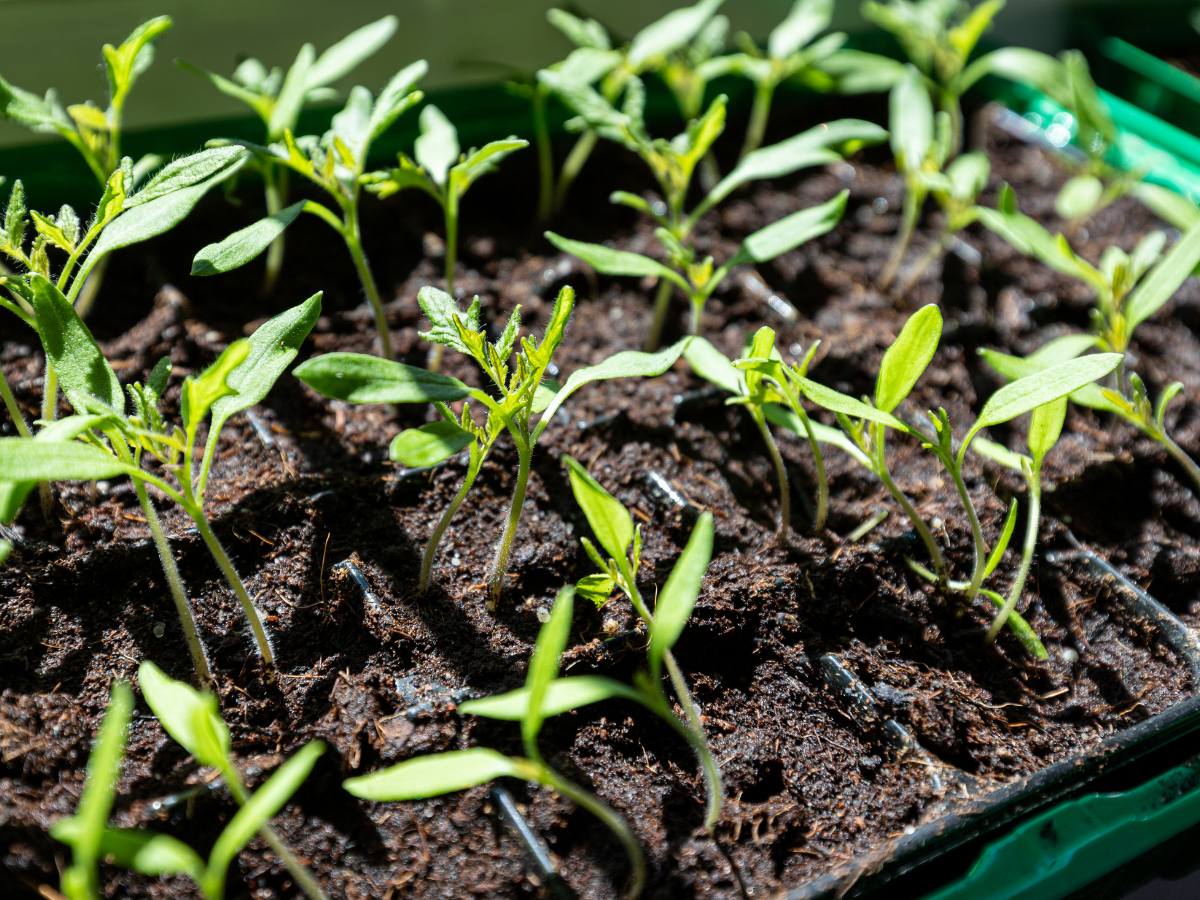
As temperatures begin to stabilise towards the end of winter, your polytunnel becomes an ideal environment for raising seedlings ahead of spring.
Setting aside a small area for propagation allows you to get a head start on your next growing cycle, rather than waiting for outdoor conditions to warm up.
This space might include a simple bench, table or dedicated area for trays and seedling work.
Benefits of preparing seedlings inside your tunnel:
Warmer, more stable temperatures for faster germination
Protection from wind, rain and temperature swings
Greater control over watering and early plant care
Ability to plan and stagger plantings for spring
Many growers begin sowing seeds in late winter so they have strong, established seedlings ready to transplant as soon as conditions improve.
Creating this space turns your tunnel into more than just a growing area, it becomes a year-round production system, helping you stay one step ahead each season.
Why Preparation Matters
One of the biggest advantages of growing in a polytunnel is season extension.
By creating a protected environment, growers can plant earlier in spring and continue harvesting well into winter.
Polytunnels help:
Protect crops from heavy rain and wind
Reduce pest pressure
Extend growing seasons
Create more predictable harvests
This reliability is one of the key reasons many backyard gardeners and commercial growers choose protected cropping systems.
Further Reading:
Season extension in a polytunnel
Growing vegetables in a polytunnel: Your guide to profitability.
Final Thoughts
Preparing your polytunnel for autumn and winter is all about transition — shifting from peak summer growth to a stable, protected growing environment.
By clearing beds, maintaining your structure, adjusting ventilation and planning the right crops, you set your tunnel up for a productive winter season.
With the right preparation, your tunnel can continue producing fresh food long after outdoor gardens slow down.
And for many growers, that extended harvest window is where a polytunnel truly proves its value.
Planning your own tunnel?
A well-designed polytunnel makes seasonal growing far easier to manage. Explore the GROW Tunnels range to see how our structures are designed for reliable, year‑round growing in Australian conditions.