
Top tips for summer growing success
Plant for your climate, not the calendar alone. Summer conditions vary from humid subtropical regions to hot, dry inland areas and cooler southern districts.
Prioritise warm-season crops that match the space and heat you can manage. Tomatoes, cucumbers, capsicums, eggplants, beans, basil and zucchini are useful options in many regions.
Keep quick crops moving through smaller gaps. Herbs, spring onions, radishes and heat-tolerant leafy greens can provide earlier harvests while larger plants establish.
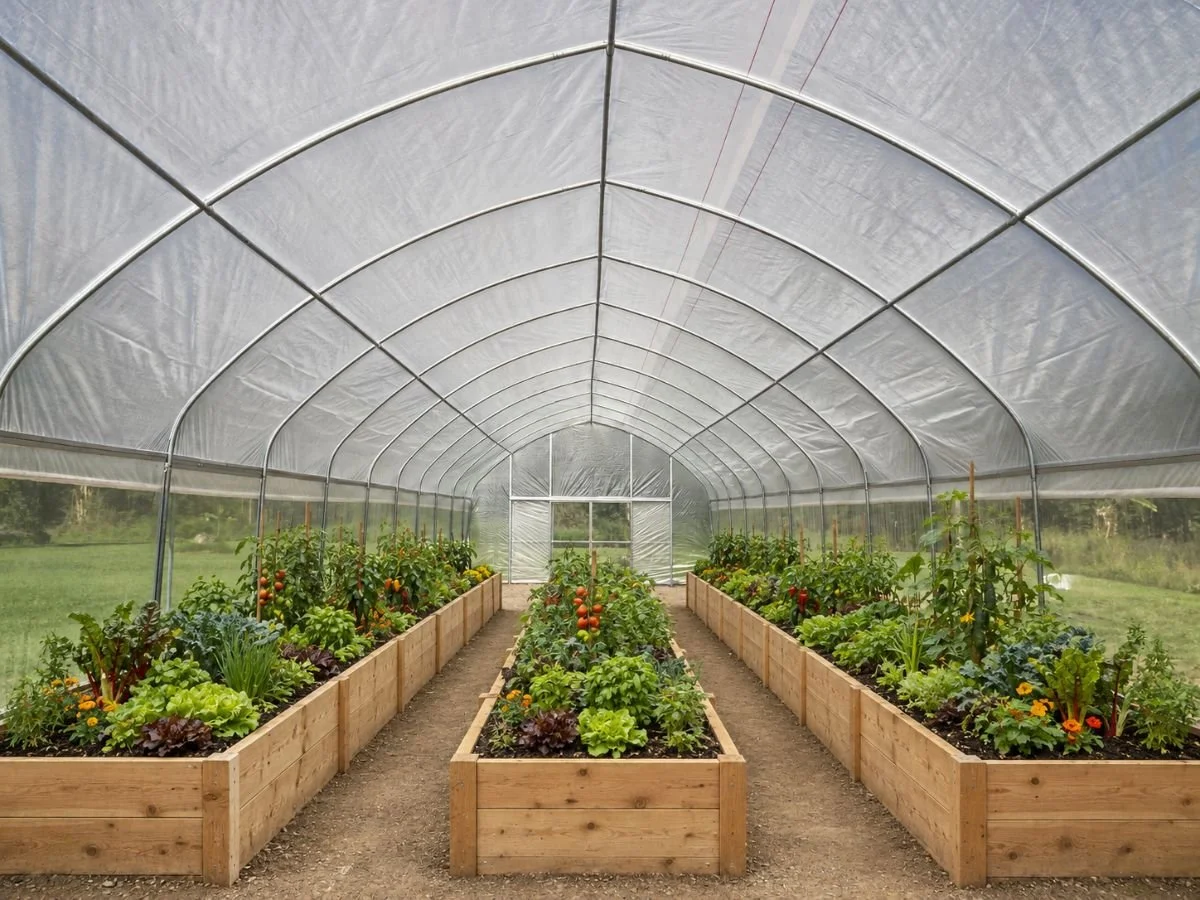
Plan ventilation and water before adding more plants. A summer polytunnel needs active airflow, consistent root-zone irrigation and sensible spacing.
Stagger sowings rather than planting everything at once. Succession planting creates a longer, more useful harvest and reduces waste.
Summer can be one of the most productive periods in an Australian polytunnel, but it is also one of the least forgiving. Fast growth, high water demand and sudden heat can turn a promising planting into a stressed, crowded crop surprisingly quickly.
The best answer to what to plant in summer is not simply a list of vegetables. It is a planting plan that matches your region, the conditions inside your tunnel and the food you actually want to harvest.
Use this guide to choose practical summer crops, make better use of your growing space and avoid planting more than your tunnel can comfortably support.
In many Australian regions, useful summer choices include tomatoes, cucumbers, capsicums, chillies, eggplants, beans, zucchini, basil and selected heat-tolerant greens. Your exact list should change according to local temperatures, humidity, frost history and the stage of summer you are entering.
If you are planting in early summer, there may still be enough time for long-season fruiting crops to establish and produce. Later in the season, faster crops and short-maturing varieties may be a better use of space.
Start with your household or customer demand. A bed of impressive vegetables is not especially productive if much of the harvest is left unused. Choose crops you regularly eat or sell, then estimate how much you can realistically harvest, preserve or distribute each week.
Crops to plant in your polytunnel for summer
Warm-season fruiting crops can thrive under cover, provided heat, airflow, pollination and watering are managed. They generally occupy space for longer than leafy crops, so give each plant a clear role in the season plan.
Tomatoes
Tomatoes are a natural choice for summer tunnel growing. Indeterminate varieties can be trained vertically, allowing you to use the tunnel's height while keeping paths accessible.
Install supports before plants become heavy, remove damaged or crowded growth where appropriate and maintain airflow through the canopy. Avoid planting so densely that leaves remain humid or harvesting becomes difficult.
Cucumbers
Cucumbers grow quickly in warm conditions and make excellent use of vertical trellising. Consistent soil moisture is important because irregular watering can affect plant health and fruit quality.
Check whether your chosen variety requires pollination. Some protected-cropping cucumber varieties are bred to set fruit without pollination, while other types need insect activity or hand assistance.
Capsicums, chillies and eggplants
These crops appreciate warmth and can remain productive for an extended period. They are slower to establish than some quick summer vegetables, so healthy seedlings are often useful when the season is already underway.
Give plants enough space for air movement and monitor for sap-sucking pests. In very hot tunnels, flowering and fruit set may be reduced, so ventilation and shading decisions still matter even for heat-loving crops.
Beans and zucchini
Climbing beans can use vertical space, while bush beans can fill shorter production windows. Zucchini can be very productive but needs more floor area and regular harvesting.
For a small backyard tunnel, one or two zucchini plants may be more useful than a whole row. This leaves room for crops with different harvest times and reduces the risk of one large glut.
Which quick crops can fill the gaps?
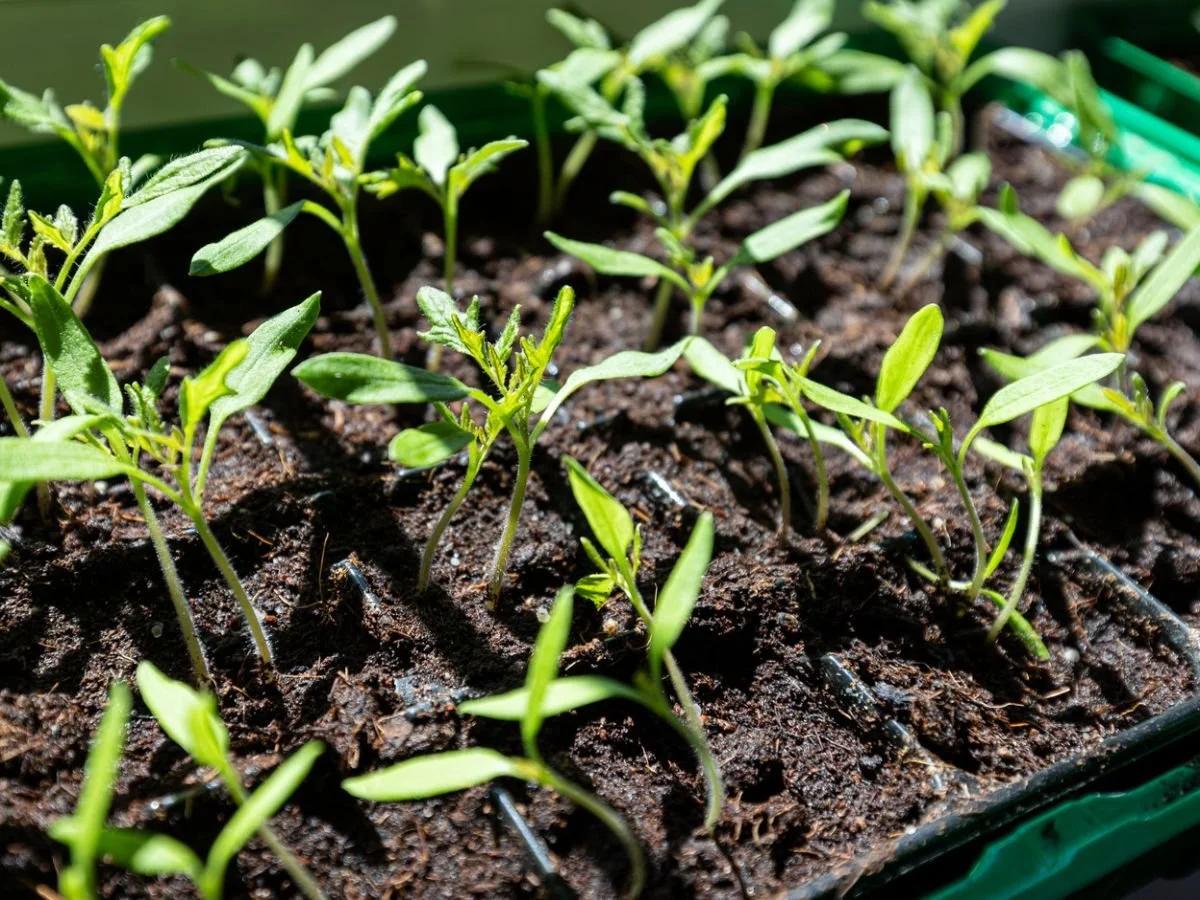
Quick crops help you harvest sooner while slower fruiting plants establish. They are also useful for succession planting and for filling bed edges without committing the space for an entire season.
Consider basil, spring onions, radishes and heat-tolerant salad varieties suited to your region. In warm, humid parts of Australia, alternatives such as Malabar spinach may cope better than cool-season spinach.
Use interplanting carefully. A row of radishes between young tomatoes may work early, but the smaller crop should be harvested before tomato roots and foliage fill the area. The goal is to use temporary space, not create permanent competition for water, light and airflow.
Herbs can be particularly valuable because you can harvest small amounts regularly. Basil pairs well with the timing of summer tomatoes, while perennial herbs may be better kept in containers so they do not occupy prime annual-crop space indefinitely.
How should planting change across Australian climates?
There is no single summer planting calendar for Australia. Even places within the same climate zone can differ because of elevation, coastal exposure, soil type and local microclimate.
In humid subtropical regions, airflow, leaf dryness and disease prevention become central. Choose generous spacing, ventilate early in the day and avoid leaving wet foliage overnight.
In hot, dry inland regions, root-zone moisture, mulch and protection from extreme radiant heat may be the greater challenge. Plants can lose water quickly even when the air feels dry, so check soil moisture rather than relying on a fixed irrigation timer.
In temperate southern regions, warm-season crops may still perform well, but shorter seasons and cool nights can affect timing. Choose suitable varieties and use local minimum temperatures to decide whether late plantings will mature.
In tropical areas, the wet season can bring intense humidity, disease pressure and heavy pest activity. Some growers shift their crop mix rather than trying to force temperate vegetables through unsuitable conditions.
Your local nursery, state agriculture resources and experienced growers nearby are valuable checks. A polytunnel modifies conditions; it does not erase the climate around it.
Preparing your polytunnel for summer planting
Prepare the growing environment before you fill every bed. In summer, ventilation, irrigation and access are production essentials rather than optional finishing touches.
Open doors and roll-up sides early enough to prevent excess heat building inside. Inspect insect mesh, vents and fans where fitted, and keep foliage clear of the sidewalls so cross-flow is not blocked.
Test the irrigation system from end to end. Look for blocked drippers, leaking joins and dry patches. Root-zone watering is often easier to manage than overhead watering because it limits unnecessary leaf wetness and directs water where plants can use it.
Add mature compost or appropriate soil amendments according to crop needs and soil test results. Heavy-feeding fruiting plants need a sound nutrient plan, but adding more fertiliser is not a substitute for balanced soil, reliable water and healthy roots.
Finally, leave enough path space to harvest, inspect plants and carry produce out comfortably. A tunnel that looks full on planting day may become unworkable when vines, foliage and fruit reach mature size.
Plan your tunnel around the harvest you want
If you are deciding how much protected space your summer plan needs, compare the Mini, Rural and Commercial GROW Tunnel options before you finalise your layout. Start with the number of beds, path width, trellising and weekly harvest goals, then choose a structure that supports that plan.

How can succession planting extend the harvest?
Succession planting means sowing or transplanting smaller batches at planned intervals. It helps prevent every plant reaching harvest at once and gives you a second opportunity if an early batch struggles.
For quick crops, you might sow a small row, record the date, then repeat when the previous sowing has established. The interval should reflect the crop, expected weather and how quickly your household or customers use it.
For longer crops, succession may mean planting two tomato varieties with different maturity periods or starting a later cucumber batch before the first vines decline. Do not automatically repeat a sowing because a fixed number of days has passed; first check whether you have enough space and whether the next crop will mature in your local conditions.
A simple tunnel map makes this easier. Mark each bed, write the planting date and note the expected removal window. You will quickly see where a short crop can fit and where a long-season plant will block the next rotation.
What common summer planting mistakes should you avoid?
Planting too densely: Small seedlings create a false sense of spare space. Plan around mature plants, working paths and airflow.
Using one watering schedule for every crop: Seedlings, established tomatoes and herbs may have different root zones and water demands. Group compatible crops and check soil moisture.
Treating a tunnel as a sealed environment: Protection from rain and wind does not remove the need for ventilation. Heat and humidity need active management.
Choosing crops from a national list without local checks: A crop that suits December in one region may struggle in another. Use local temperatures and variety guidance.
Planting an entire seed packet: A smaller first sowing followed by planned successions usually produces a more manageable harvest.
Ignoring the next season: Leave room in your plan for late-summer and autumn crops. Productive growing is a relay, not a single planting event.
Ready to turn your summer plan into a tunnel layout?
Map your crops, beds, paths and ventilation needs first, then use the GROW Tunnels instant quote calculator to compare a Mini or Rural option, or request a Commercial quote. A clear planting plan makes it much easier to select the right growing footprint.

Frequently asked questions about growing in a polytunnel during Summer
-
There are plenty of plants that thrive in the summer heat, but what will grow best depends on your region, variety and the length of warm weather ahead. Use healthy seedlings where appropriate and check local night temperatures, heat risk and expected days to maturity before committing valuable tunnel space.
-
Many tomatoes, chillies, eggplants, beans, cucumbers and heat-tolerant leafy varieties can perform in warm conditions. Even heat-loving crops can suffer when tunnel temperatures become excessive, so ventilation, irrigation and shade management remain important.
-
Yes, with suitable varieties and careful management, but lettuce generally prefers cooler conditions. Choose heat-tolerant types, provide airflow and consistent moisture, and consider a position protected from harsh afternoon sun.
-
Water according to soil moisture, crop stage, weather and irrigation performance rather than a universal timetable. Check the root zone regularly and adjust the duration or frequency while avoiding both prolonged saturation and severe drying.
-
Shade can help in hot and sunny conditions. The retractable shade cloth inside the tunnel roof allows you to easily adjust shade depending on the weather. Ventilation and monitoring are still required to avoid heat stress.
-
Plant smaller batches, choose varieties with different maturity periods and keep a simple sowing record. Succession planting is more reliable than planting everything on one weekend and hoping the harvest spreads itself out.