
Frost Protection in a Polytunnel – Without Heating
For many growers, frost is the moment winter growing starts to feel risky.
A crop can look perfectly healthy one afternoon, then by the next morning leaves are burnt, stems have collapsed and the week’s progress has disappeared overnight. That is one of the reasons so many growers lose confidence in winter production outdoors. It is not always the cold itself that causes the biggest setback. It is the suddenness of the damage.
The good news is that protecting crops from frost does not always require expensive heating systems or complicated equipment.
In many Australian climates, a well-managed polytunnel provides enough passive protection to reduce frost damage significantly and keep winter crops growing steadily. For backyard growers especially, that makes a polytunnel one of the most practical ways to improve winter reliability without adding high running costs.
How do you protect plants from frost without heating?
You can protect plants from frost without heating by using a polytunnel to create a physical barrier between crops and cold air. This prevents frost from settling directly on leaves and reduces overnight temperature drops.
Why this works:
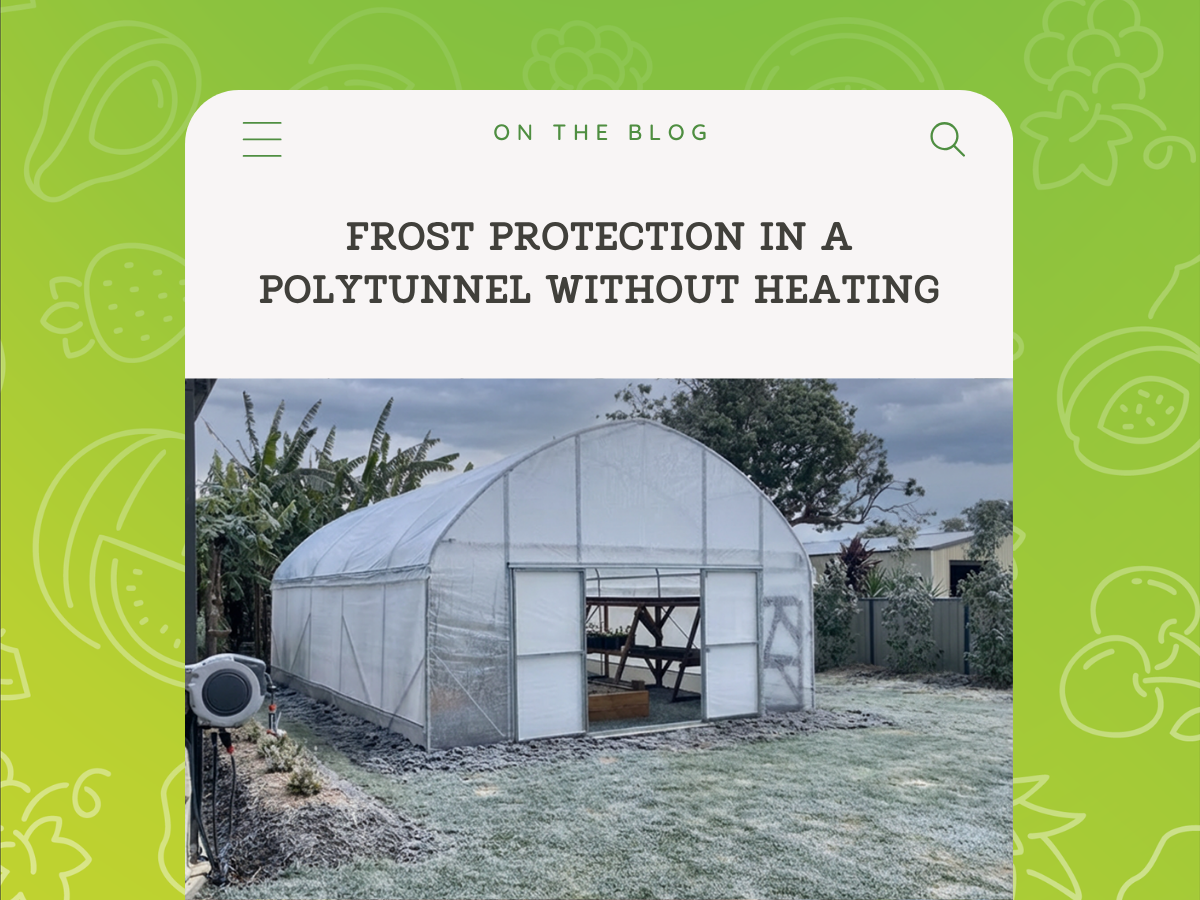
Frost forms on the tunnel cover instead of the plant
Daytime warmth is retained longer
Cold winds are blocked
Soil stays drier and more stable
Do you need heaters?
No — most winter crops grow well without heating
Passive protection is usually enough in Australian climates
A polytunnel is one of the simplest and most effective ways to reduce frost damage naturally.
What frost actually does to plants
Frost damage happens when plant tissue freezes.
As temperatures drop, ice crystals can form on leaf surfaces and within plant cells. Once that happens, the cell walls are damaged and the affected foliage often turns black, limp or translucent as it thaws.
Tender crops are the first to suffer, but even cool-season vegetables can be slowed or marked by repeated frost exposure.
Common signs of frost damage include:
blackened or water-soaked leaves
collapsed new growth
scorched leaf edges
split stems in tender plants
slowed recovery after very cold nights
This is why frost protection matters even in regions that only experience occasional frosty mornings. One or two events can still reduce quality, slow harvests or wipe out vulnerable crops.

How a polytunnel protects crops from frost
The simplest way to think about frost protection is this: a tunnel separates your crops from the harshest part of the external environment.
Rather than allowing frost to settle directly on the plant canopy, the cover takes the first hit.
That matters more than many people realise.
1. It creates a physical barrier
In open beds, frost settles directly onto leaves and tender stems. Inside a tunnel, the cover becomes the outer surface that is exposed to the cold air and moisture. In many cases, frost forms on the tunnel itself rather than on the crop.
2. It reduces overnight heat loss
With the walls rolled down, and sliding doors closed, a GROW Tunnel traps some of the warmth built up during the day and slows the rate at which that heat escapes overnight. It is not heated, but it is buffered.
That buffering effect can be enough to keep the internal environment just a little more forgiving than the garden outside.
3. It blocks cold wind
Wind chill increases stress on plants and accelerates heat loss from both leaves and soil. By sheltering crops from cold air movement, a tunnel helps preserve a more stable internal environment.
4. It keeps beds drier and healthier
Repeated winter rain often leaves outdoor beds colder, heavier and harder to manage. Inside a tunnel, soil structure usually stays looser and more workable, which supports stronger root health through the colder months.
Do you need heating in a polytunnel?
If you’re growing in the subtropical Australian climates, no.
That is one of the reasons polytunnels are such a practical winter growing option. For a wide range of winter crops, passive protection is usually enough.
Leafy greens, brassicas, herbs and many root vegetables do not need a heated environment to grow successfully. What they need is reduced exposure to frost, wind and waterlogging.
Heating may only become relevant if you are trying to grow tender, warm-season crops well outside their natural season, or if you are growing along the Great Dividing Range, with severe and prolonged frost events. Then you may opt for simple frost coverage, such as frost cloche’s or frost cloth, that doesn’t require powered heating.
For most growers, better results come from choosing appropriate crops and managing the tunnel well, rather than trying to artificially heat the space.
The difference between frost protection and winter growth
It is worth keeping expectations realistic.
Protecting crops from frost does not mean every plant will grow fast in winter. A tunnel helps reduce damage, but shorter days and cooler soil temperatures still affect growth rates.
That is why winter success comes from combining protection with the right crop choices.
If you are growing spinach, lettuce, Asian greens, parsley, kale or beetroot, the tunnel gives those crops a much better chance of producing steadily. If you are trying to push tomatoes or cucumbers through a frosty inland winter, even a tunnel may not be enough on its own.
Practical ways to improve frost protection inside your tunnel
A tunnel does a lot of the work already, but a few simple habits can improve its performance.
Keep the structure in good condition
Small tears, loose fittings and poorly sealed doors all make it easier for cold air to enter and stored warmth to escape. Before winter settles in, inspect the cover, door closures, side walls and any points where draughts may enter.
This is one of the reasons routine maintenance matters so much in protected growing.
Close up at the right time
During cooler months, many growers open their tunnel during the day for airflow, then close it earlier in the afternoon to hold as much warmth as possible before the temperature drops. Timing matters here. Close too late and you lose the benefit of the warmth built up during the day.
Maintain healthy soil moisture
Moist soil stores heat more effectively than very dry soil. That does not mean overwatering, but it does mean bone-dry beds are not ideal heading into a frosty night. Balanced moisture supports both root health and passive heat retention.
Use internal crop covers when needed
If you expect a particularly cold night, a lightweight row cover or frost cloth inside the tunnel can provide another buffer around the crop. This is especially helpful for younger seedlings or slightly more tender plants.
Avoid overcrowding
Dense planting can restrict airflow and encourage humidity, which increases disease pressure in winter. Give plants enough space to breathe while still making efficient use of the tunnel.
Which crops respond best to frost protection in a tunnel?
A tunnel is most effective when you use it to support crops that already suit cool-season growing.
Great choices include:
coriander
spring onions
beetroot
carrots
radish
spinach
lettuce
rocket
Asian greens
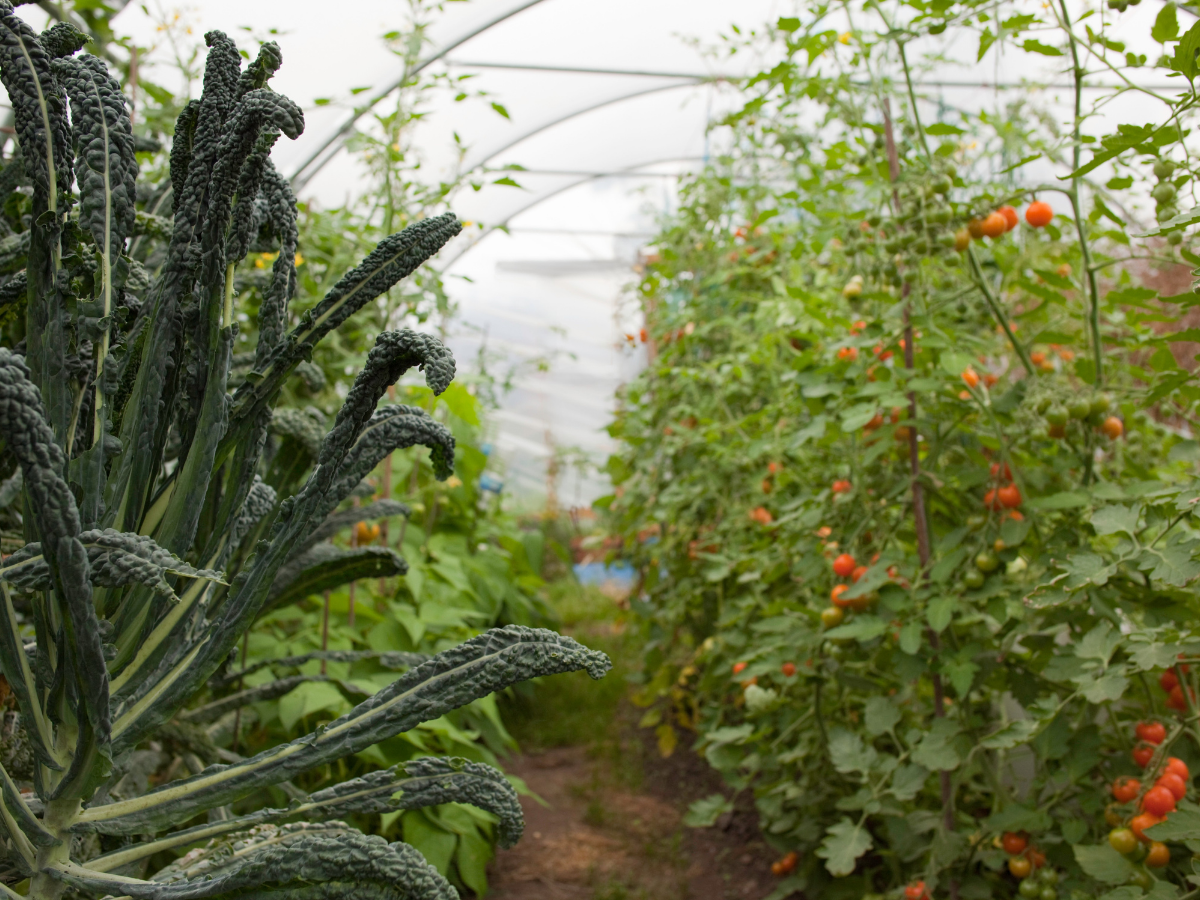
kale
parsley
These crops benefit from the more stable environment without needing artificial heat.
If your aim is household food production, these are also some of the most practical choices because they produce regularly, store well or are used often in everyday cooking.
Why frost protection matters for food security at home
For backyard growers, frost protection is not only about saving plants. It is about maintaining momentum.
Every time a winter crop fails, you lose time, money and confidence. You also lose part of the rhythm that makes home food production worthwhile.
A protected tunnel helps reduce those interruptions. It allows you to keep useful crops moving through winter, even when outside conditions are far less forgiving. That reliability becomes especially valuable when fresh produce prices rise and the idea of growing more at home becomes less about novelty and more about practicality.
Which tunnel suits frost protection best?
For most backyard growers, the Mini GROW Tunnel is often the most accessible place to start. It provides a manageable footprint while still giving you a meaningful protected growing area through the cooler months.
A Rural GROW Tunnel is a strong next step if you want more growing room, more crop rotation capacity or a larger household production system.
If you are still comparing options, it is also worth reading our blog on Growing Food Through Winter in a Polytunnel, which looks at crop selection and seasonal productivity more broadly.
Final thoughts
Frost protection does not have to rely on heaters, powered systems or complicated winter infrastructure.
In many parts of Australia, a well-maintained polytunnel is one of the simplest and most effective ways to reduce frost damage naturally. It works by buffering the environment, sheltering crops from direct exposure and helping you create a more stable growing space through winter.
That is what makes it so useful.
It gives your plants a better chance, and it gives you a more dependable winter garden.
Planning a winter setup of your own?
Explore our range of polytunnels, designed for Australian climates,to see which structure suits your space, or keep reading our blog for more practical guides on seasonal growing, covers and tunnel management.
FAQs
Can a polytunnel protect plants from frost without heating?
Yes. A polytunnel helps reduce direct frost exposure, traps some daytime warmth and blocks cold winds, which can significantly reduce frost damage.
What is the best way to protect plants from frost naturally?
Using a physical barrier such as a polytunnel is one of the most effective natural methods. Good timing, healthy soil moisture and suitable crop choice also help.
Do I still need frost cloth inside a polytunnel?
Sometimes. In severe frosts or for young seedlings, an internal row cover can add another useful layer of protection.
Which vegetables cope best with frost protection in a tunnel?
Leafy greens, brassicas, herbs and root vegetables are among the best winter crops for tunnel growing.
Is a Mini polytunnel enough for backyard frost protection?
For many home growers, yes. A Mini tunnel can provide a meaningful improvement in winter crop protection and productivity.