
Growing Food Through Winter in a Polytunnel
Winter is often the season when many home gardens begin to slow down.
Growth becomes patchy, frosts knock tender crops around, rainy days with limited sunshine can waterlog beds, and a few cold nights can undo weeks of effort. For many growers, that is the point where the garden starts to feel more reactive than productive.
A polytunnel changes that.
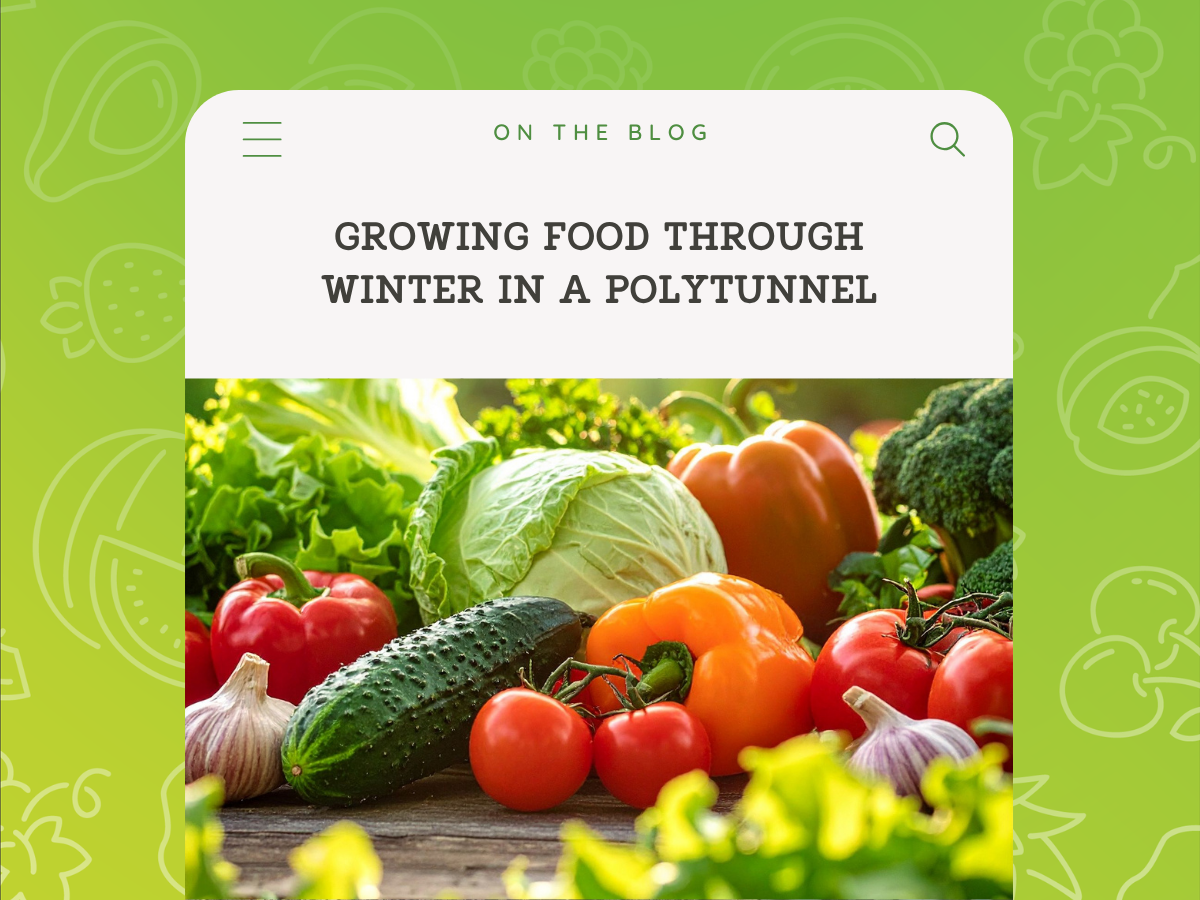
Can you grow food in winter in a polytunnel?
Yes — you can grow food through winter in a polytunnel across many parts of Australia. A tunnel protects crops from frost, wind, and heavy rain while creating a more stable growing environment.
What grows best in winter?
Leafy greens (lettuce, spinach, rocket)
Asian greens (bok choy, tatsoi)
Herbs (parsley, coriander)
Root crops (carrots, beetroot)
What should you expect?
Slower growth than summer
More reliable harvests than outdoor gardens
Fewer weather-related losses
A polytunnel helps you grow food more consistently through winter, rather than stopping altogether.
Rather than leaving your crops exposed to every cold snap, wind gust and downpour, a tunnel creates a more stable growing environment that helps you keep producing food well into the cooler months. It does not turn winter into summer, but it does make winter growing more predictable, more manageable and far more productive than trying to grow the same crops in the open.
For those looking to grow their own food, or make an income off their land, that difference matters. When you are trying to keep fresh produce coming from home for as much of the year as possible, consistency is often more valuable than peak output.
Why winter growing is easier in a polytunnel
One of the biggest advantages of protected growing is that it reduces the extremes that slow plants down.
Inside a polytunnel, crops benefit from:
protection from cold winds that stress foliage and reduce growth
reduced exposure to frost settling directly on leaves
shelter from heavy rain that can compact soil and spread disease
a more stable microclimate from day to night
a longer productive season for many cool-season crops.
This is why polytunnels are so useful for year-round growing. Even when growth naturally slows with the shorter days of winter, plants are still far more likely to keep ticking along when they are protected from the worst of the weather.
A protected tunnel environment also gives you more control as a grower. You can manage airflow, irrigation and planting schedules more precisely, rather than being at the mercy of the forecast.
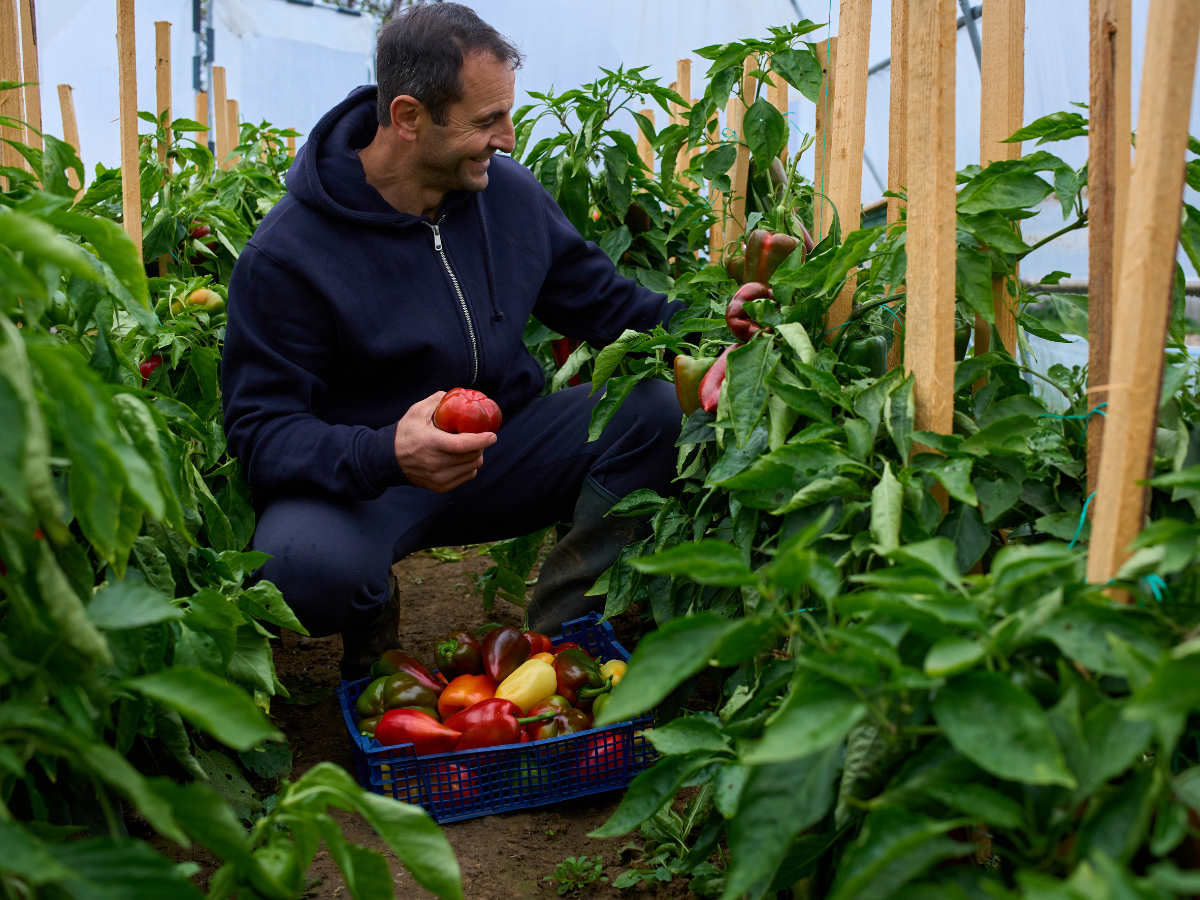
What actually changes inside a tunnel during winter?
A common assumption is that polytunnels only work because they “keep things warm”. While they do help trap warmth, the real benefit is broader than that.
1. Less temperature shock
Winter crops do not just struggle with cold itself. They struggle with rapid fluctuations.
A tunnel helps soften the jump between warmer daytime conditions and very cold nights. That buffering effect reduces stress on plants and can help maintain more consistent growth.
2. Less leaf damage from frost
In an outdoor garden, frost settles directly on leaves and tender growth. Inside a tunnel, the cover becomes the first barrier between the crop and the cold air mass. In many conditions, this is enough to prevent or reduce visible frost damage.
3. Better soil conditions
When beds are repeatedly drenched by winter rain, soil structure can suffer. Tunnels help keep excess rainfall off your growing beds, which means less compaction, better drainage and easier growing conditions for root crops and leafy greens.
4. More reliable harvest timing
A tunnel does not force crops to grow quickly in winter, but it often helps them grow steadily. That steadiness is what gives you more reliable picking windows and fewer total crop losses.
What grows well in a winter polytunnel?
Winter growing works best when you lean into crops that are naturally suited to cooler conditions.
Leafy greens
These are usually the most rewarding winter crops for food growers because they establish well, turn over quickly and are used often in the kitchen.
Good options include:
lettuce
spinach
mizuna
tatsoi
bok choy
silverbeet
These crops make excellent sense in a GROW tunnel because they allow you to keep harvesting smaller amounts regularly, rather than waiting months for a single crop.
Brassicas
Brassicas generally appreciate the protection of a tunnel, especially in regions where cold winds and repeated rain make winter growing harder outdoors.
Consider:
kale
pak choy
rocket
kohlrabi
They tend to establish more cleanly in protected conditions and are often easier to manage when leaves are not constantly battered by weather.
Root vegetables
Root crops can do very well in tunnel beds because the soil remains looser and more even in moisture.
Reliable choices include:
carrots
beetroot
radish
turnips
spring onions
These are useful crops for maintaining productivity through winter because they can be tucked between slower-growing crops or grown in succession.
Herbs
Herbs are one of the simplest ways to keep a tunnel productive in winter.
Parsley, coriander, chives, dill and thyme can all be valuable additions, particularly for growers wanting regular kitchen harvests from a relatively small area.
The best time to plant for winter harvests
This is where many growers get caught out.
If you wait until winter feels cold, you are often already late.
The most productive winter tunnels are usually planted up in late summer and throughout autumn, while soil temperatures are still warm enough for strong establishment. Once the cooler weather settles in, plants continue growing from that good early start.
That is why seasonal transition planning matters so much in protected growing. A tunnel gives you the opportunity to keep crops going longer, but it still rewards growers who think a season ahead.
If you have not already, it is worth reading our blog on Preparing Your Polytunnel for Autumn & Winter alongside this one, as the preparation phase is what often determines how productive winter will be.
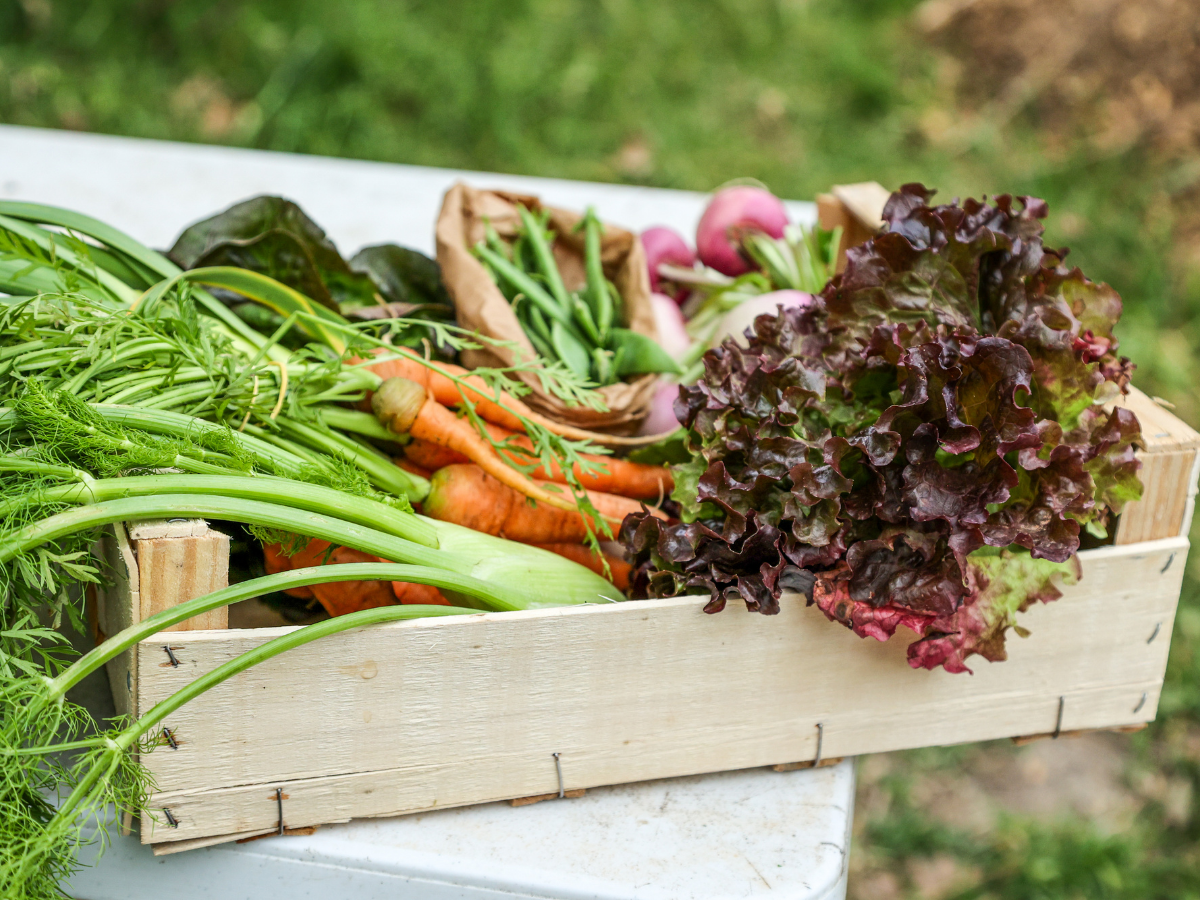
Practical tips for a productive winter tunnel
Keep ventilation in the routine
Even though it is winter, airflow still matters.
A tunnel that is closed up too often can develop excess humidity, which encourages fungal disease and weak growth. Opening the tunnel during the warmer part of the day helps reduce moisture build-up while still allowing you to trap heat overnight.
Prioritise light
Winter means fewer daylight hours, so make the most of the light you do have.
Keep your cover clean, avoid unnecessary summer shading once cooler weather sets in, and think carefully about placement if you are still planning a new tunnel. Full sun is especially valuable in the cooler months.
Use succession planting
Rather than sowing everything at once, stagger your plantings every couple of weeks. This keeps harvests steady and avoids the feast-or-famine pattern that often happens in small gardens.
Avoid overwatering
Plants generally use less water in winter, and evaporation is slower. If you keep watering on a summer schedule, beds can stay too wet for too long. Review irrigation as the season changes.
Grow for what you actually eat
If your goal is reducing household food costs and increasing food security, focus first on the crops you reach for most often. Salad greens, herbs and cooking greens are usually a far better return for a home tunnel than novelty crops.

What can you realistically expect from winter growing?
This is where expectations matter.
A winter tunnel is not about chasing peak summer yields. It is about maintaining useful production when outdoor gardens become inconsistent.
You can generally expect:
slower growth than in spring and summer
better crop survival than outdoors
fewer weather-related setbacks
more predictable harvests from cooler-weather loving crops
a longer picking window for many autumn-planted crops
For backyard growers, that reliability often adds up to real value. When supermarket prices rise and fresh produce quality becomes less predictable, being able to harvest your own greens, herbs and root crops through winter makes a noticeable difference.
Why this matters for backyard growers
For many households, winter is when the cost of fresh produce feels hardest to control.
It is also the season when an outdoor vegetable patch is most likely to underperform. That combination is exactly why more growers are looking at protected systems not just as a hobby upgrade, but as a practical step toward greater self-sufficiency.
A well-planned tunnel helps turn growing into something you can rely on more consistently. That does not mean doing everything yourself or producing every meal from home. It simply means having a dependable growing space that keeps working when the conditions outside are less forgiving.
That is part of what makes a tunnel so valuable. It gives growers confidence.
Which tunnel is best for winter growing?
The right option depends on how much space you have and how much food you want to produce.
A Mini GROW Tunnel suits many backyard growers who want a productive, manageable footprint and enough space to keep household staples growing through the cooler months.
A Rural GROW Tunnel gives you more flexibility if you want larger beds, more crop rotation or room for propagation alongside winter harvesting.
For large-scale protected growing, the Commercial GROW Tunnel range offers even more production potential, but for most home growers winter success usually comes down more to planning and crop choice than sheer size.
It is also worth comparing tunnel materials and cover performance. Our blog on Solarweave vs Shade Cloth: When to Use Each in Your Polytunnel is a useful next step if you are still deciding on the right growing setup.
Final thoughts
Winter does not have to be the season your garden pauses (or for some, comes to a grinding halt!).
With the right crops, good preparation and a protected growing environment, it can be one of the most rewarding times of year to grow. Growth may be slower, but it is often steadier. Harvests may be smaller than summer, but they are far more reliable than an exposed garden bed in the open.
That is the real strength of a polytunnel.
It helps you keep growing with confidence, even when the season changes.
Thinking about your own winter growing setup?
Get an instant quote on our Mini & Rural GROW Tunnels ranges, to find the right fit for your space, or browse more practical advice in our blog library to help plan your next season.
FAQs
Can you grow vegetables in a polytunnel during winter in Australia?
Yes. In many parts of Australia, a polytunnel makes winter growing far more reliable by protecting crops from frost, wind and heavy rain.
What are the best winter crops for a polytunnel?
Leafy greens, brassicas, herbs and root vegetables are among the best choices for winter tunnel growing.
Do I need heating in a polytunnel in winter?
Usually not. Many winter crops grow well without heating, especially when the tunnel is well managed and planted with suitable crops.
Is a polytunnel worth it for backyard winter growing?
For many growers, yes. It improves reliability, helps reduce losses and extends the productive season well beyond what is possible outdoors.
When should I plant winter crops in a tunnel?
Most winter crops should be planted in late summer to autumn so they are well established before the coldest part of the season arrives.