
Best Crops to Start Early in a Polytunnel: Your Spring Planting Guide
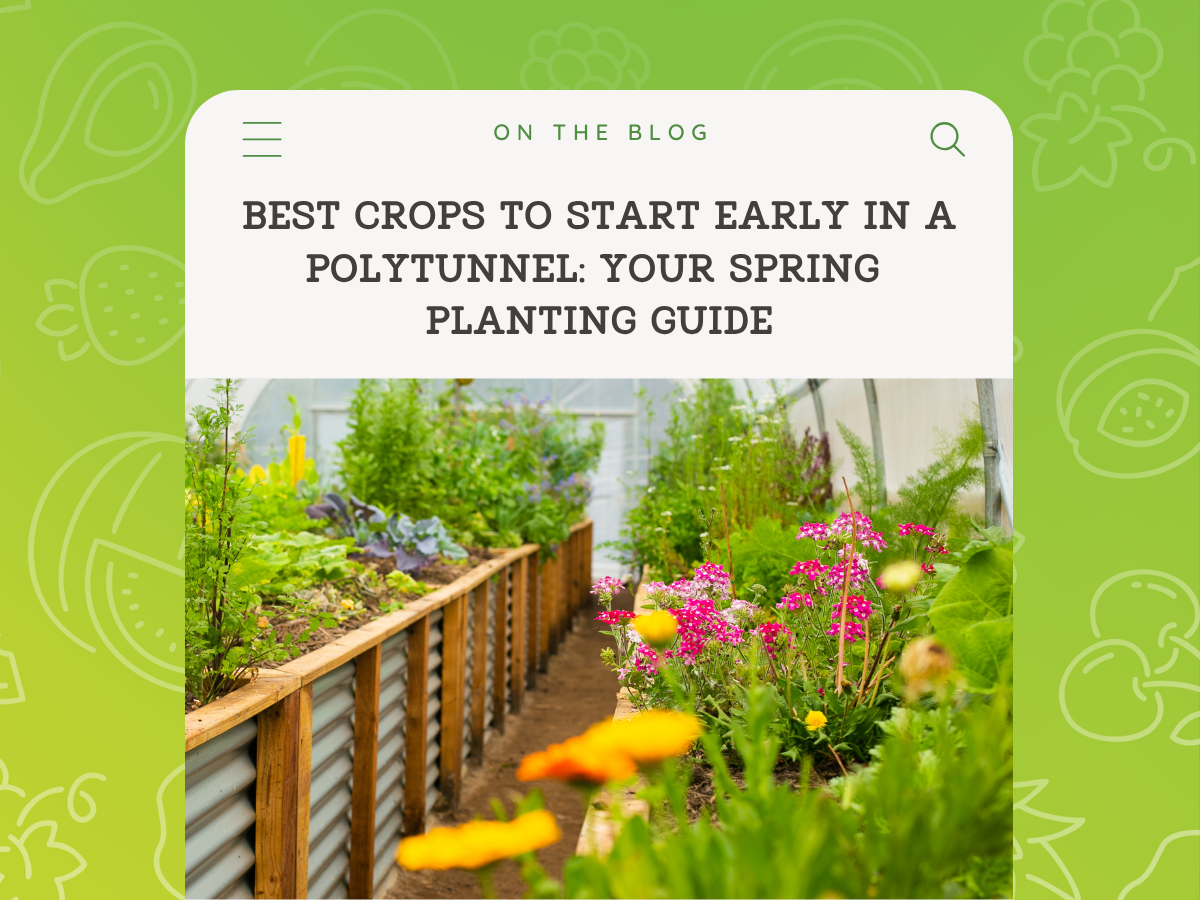
What are the best crops to start early in a polytunnel in spring?
Some of the most useful crops to grow or start early undercover include:
Lettuce and salad greens for quick, repeat harvests.
Spinach and Asian greens while conditions remain relatively cool.
Radishes for a fast crop between slower-growing plants.
Herbs such as parsley and coriander.
Tomatoes started as seedlings for later spring and summer production.
Cucumbers once conditions are sufficiently warm.
Capsicums and eggplants started early because they benefit from a long growing season.
Edible and companion flowers including marigolds, calendula and nasturtiums.
The best timing depends on where you live. Australian spring conditions vary significantly, so local frost dates and temperatures should always take priority over a generic planting calendar.
Spring has a habit of making growers impatient. A few warm afternoons arrive, seedlings start appearing at the nursery and suddenly it feels like everything should be in the ground…yesterday.
But Australian spring weather doesn't always follow the calendar. Late cold snaps, frosts, heavy rain and windy days can still make life difficult for young plants. That’s where growing in a polytunnel can give you a useful head start.
A protected growing environment allows you to keep cool-season crops producing while you begin preparing the warm-season crops that will fill your garden through spring and summer.
In this article we’ll explore the best crops to get started with during spring in your polytunnel.
Why can you start crops earlier in a polytunnel?
A polytunnel creates a protected microclimate around your crops. It doesn't eliminate seasonal conditions, but it gives you more control over them.
Young plants can be protected from gusty spring winds, heavy rainfall and some late-season cold, while the covered environment can help soil and air temperatures warm sooner.
This makes a tunnel particularly useful during the awkward transition between winter and spring. You can still be harvesting winter greens at one end while starting tomatoes for summer at the other.
For backyard growers, that can mean getting more food from the same growing area.
For market gardeners, starting earlier can help extend production windows and create more predictable harvests (and income!).
Check out our guide to preparing your polytunnel for an abundant and productive spring season.
The Best Leafy Greens to Grow in Spring
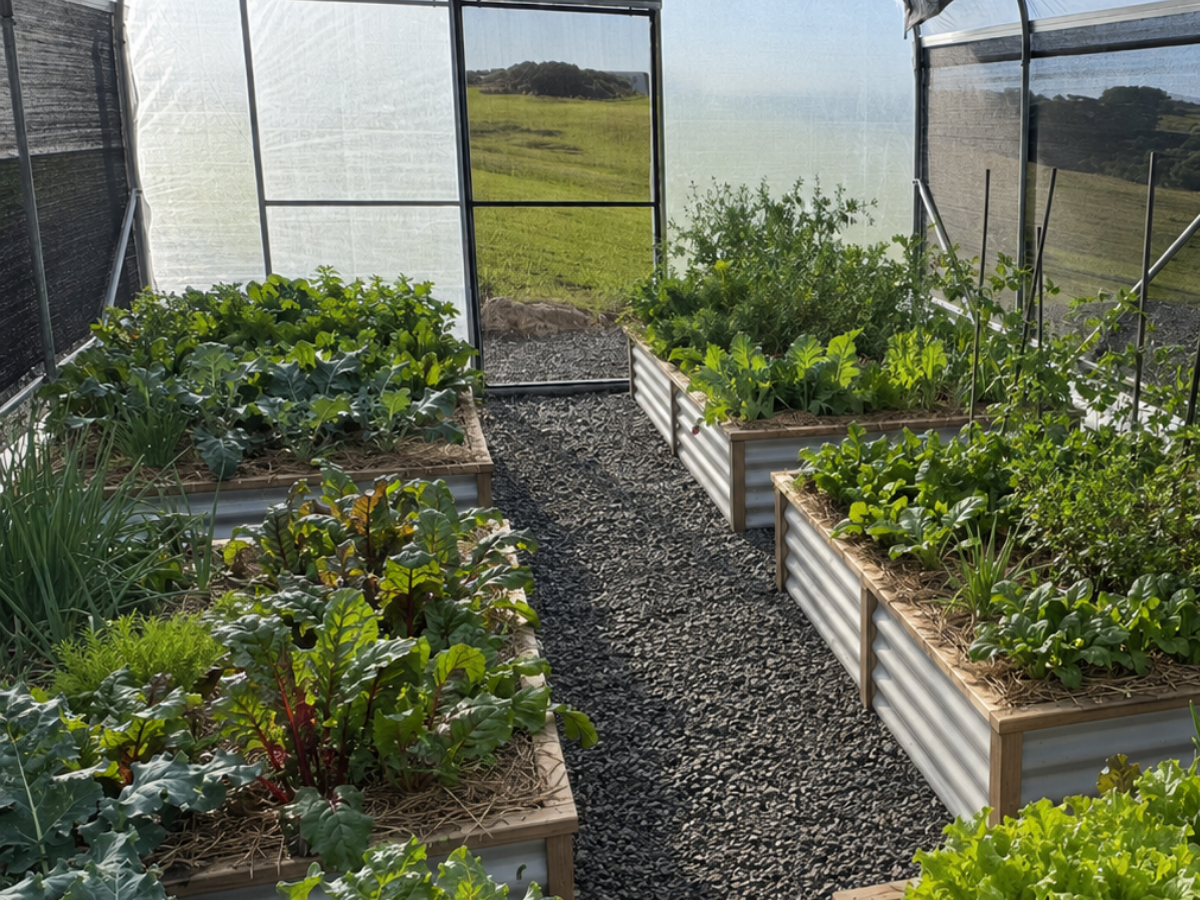
Lettuce and salad greens
Lettuce is one of the most useful crops for a spring tunnel.
It grows relatively quickly, doesn't require the space of larger fruiting crops and lends itself well to succession planting. Instead of planting your entire lettuce crop at once, sow or transplant smaller batches every couple of weeks.
That way, you’re less likely to end up with twenty lettuces ready on the same Tuesday.
As the weather warms, monitor your tunnel temperature and ventilation. Lettuce generally prefers cooler conditions, so you may eventually want to shift valuable tunnel space towards summer crops.
Spinach
Spinach is another useful crop to establish during the cooler temps of the beginning of spring. It allows you to make productive use of the period before summer-loving plants take over.
As temperatures rise, spinach can become less suitable, making it a good example of a crop to grow early and then replace as the season changes.
Asian greens
Asian greens can be quick, productive crops for spring. Depending on the variety, you can harvest whole plants or individual leaves.
They can also fit neatly into a succession planting plan, keeping beds productive while larger crops establish.
Check out our article on growing leafy greens all year round here.
Root Vegetables for Spring
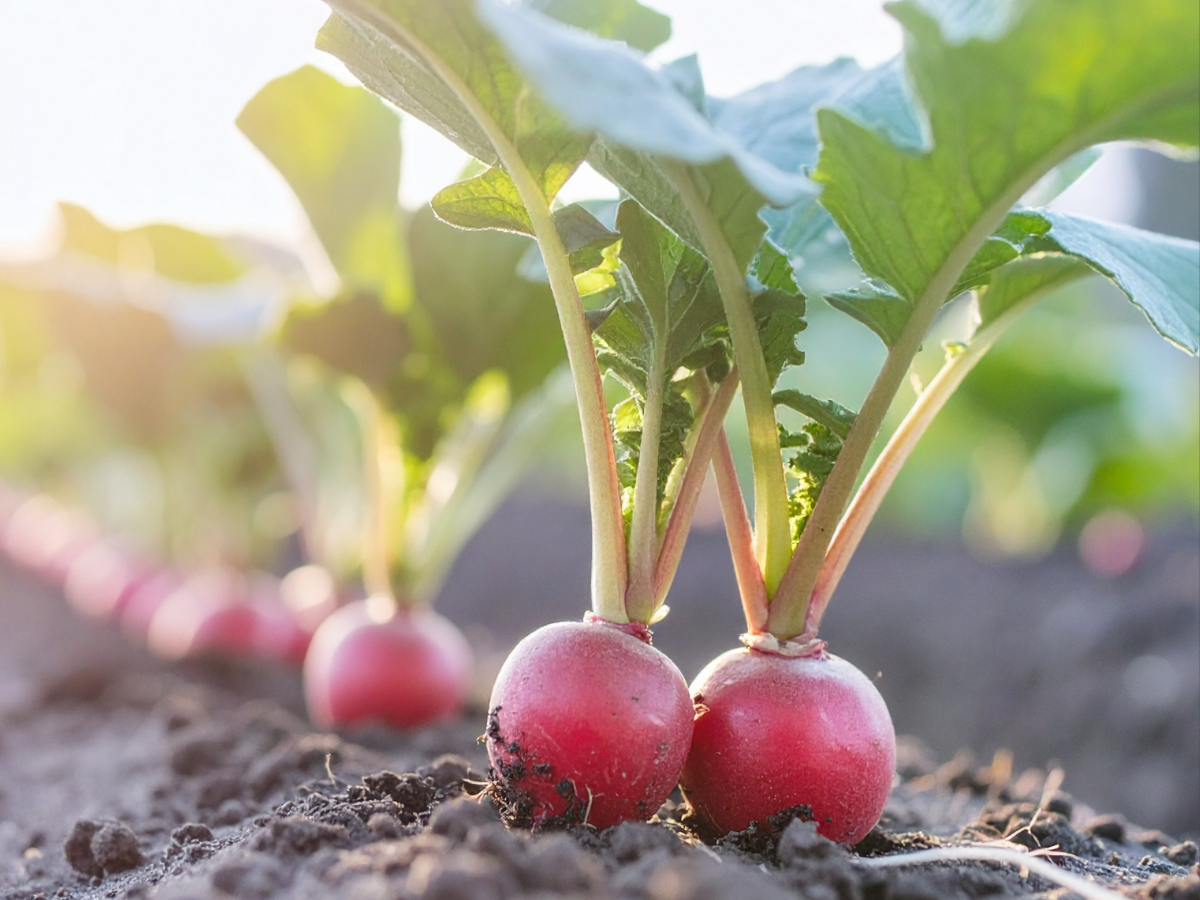
Root vegetables are particularly useful in a spring polytunnel because many varieties grow relatively quickly and can make productive use of smaller spaces between larger crops.
Suitable options include:
radishes
baby carrots
beetroot
turnips
spring onions
baby parsnips in suitable conditions.
Radishes are often the quickest option, while baby carrots, beetroot and turnips can provide a longer succession of harvests as spring progresses.
Sow small batches at regular intervals rather than planting everything at once. Radishes can be sown every 10–14 days, while other root vegetables can be staggered according to their expected maturity time.
Root crops can often be grown in spaces that will later be required by larger plants. By the time your tomatoes, cucumbers or other spring crops need more room, you may already have harvested several batches of radishes, baby carrots or beetroot.
Choose loose, stone-free soil and avoid adding excessive nitrogen, as this can encourage leafy growth at the expense of the roots. Keep the soil evenly moist while the crops establish, and thin seedlings where necessary to give roots enough room to develop.
This is a simple way to make your tunnel space work harder while adding variety to your spring harvests.
Growing Herbs in Your Polytunnel
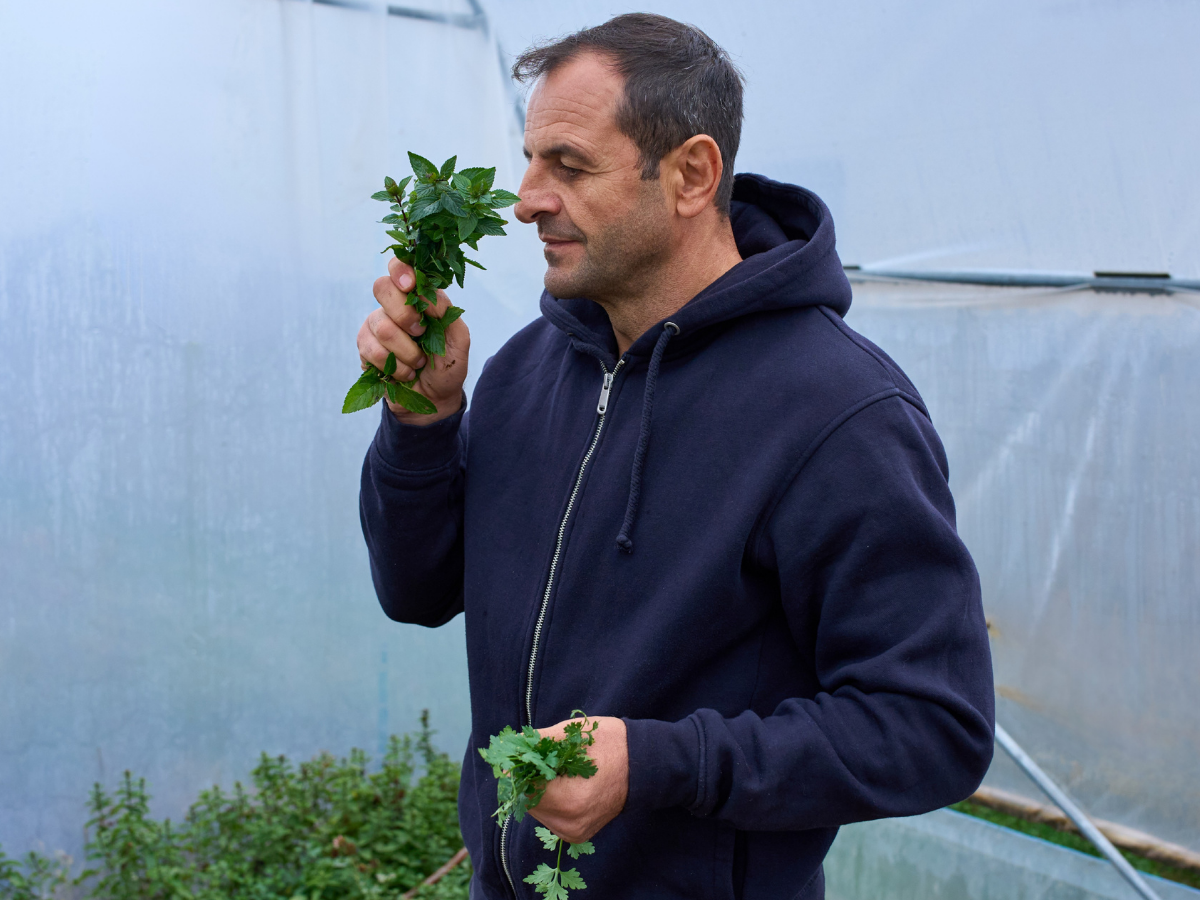
Parsley and coriander are useful crops during the cooler part of spring, while basil becomes increasingly useful as temperatures rise, perfect timing for a Summer-time pesto party.
Herbs can be particularly valuable for backyard growers because you can harvest small amounts regularly rather than waiting for one large crop.
They’re also a good use of smaller growing areas around the tunnel where you may not want to dedicate space to a large fruiting plant.
Again, match the herb to the conditions. Coriander generally prefers cooler growing conditions, whereas basil is much happier once warmth becomes consistent.
Getting Tomatoes Started Early in a Polytunnel
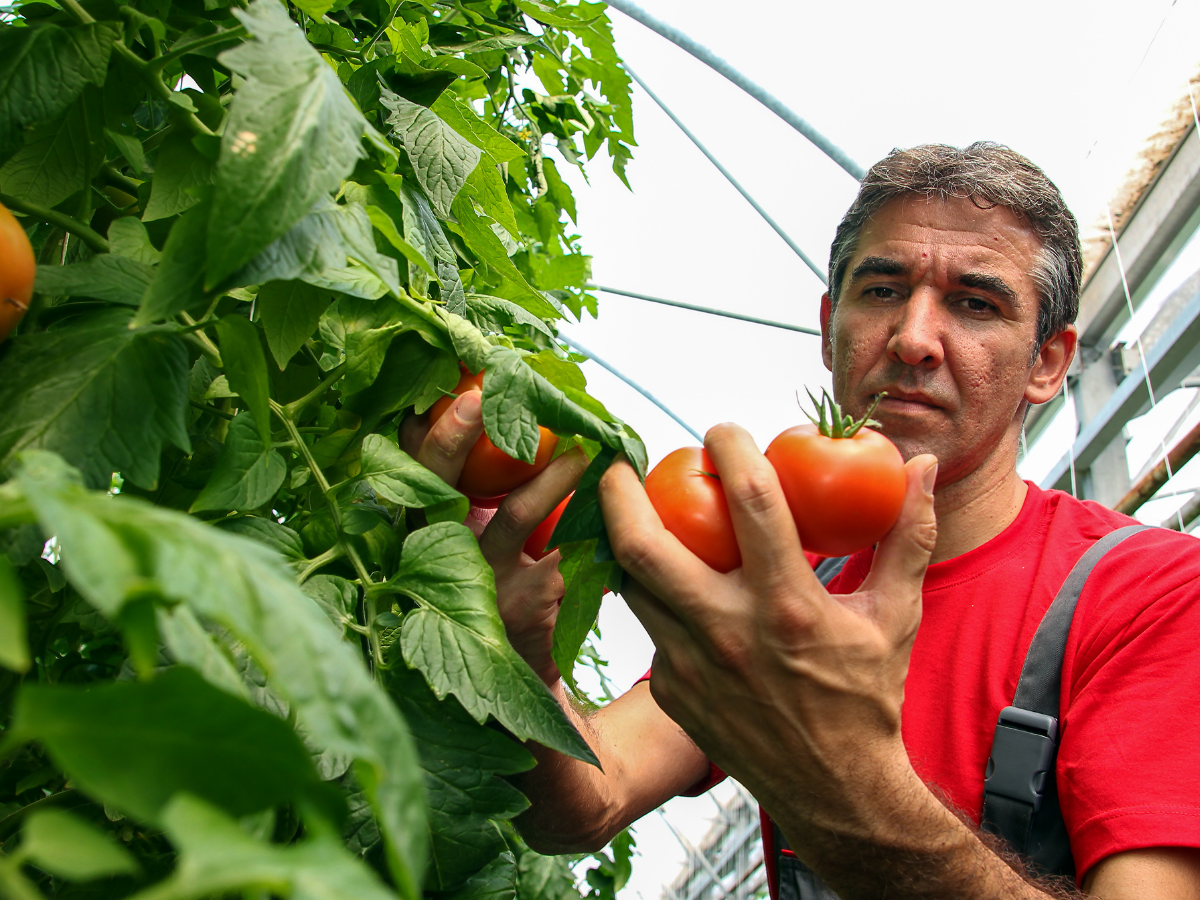
This is one of the reasons many growers love having protected growing space. Tomatoes need warmth and a relatively long growing season. Starting seedlings under cover can give them a head start while outdoor conditions are still variable.
But "protected" does not mean "immune to cold". Don't rush tender seedlings into cold soil simply because they're inside a tunnel.
Once your tomatoes are established, they need room to grow. Ensure you allow adequate space when planting, set up some trellising for support and airflow rather than planting based on the size of the seedling in your hand.
This is especially important in smaller tunnels where every square metre counts.
Explore our guide on growing tomatoes in a polytunnel here.
More Veggie Staples to Start Early
Cucumbers, capsicums and eggplants can all benefit from an early start in a polytunnel, particularly because they need consistently warm conditions and a relatively long growing season.
Cucumbers
Cucumbers are warm-season crops, so the best time to start them will depend heavily on your region and local temperatures.
Once conditions are suitable, growing cucumbers vertically can be an excellent way to use the height of your tunnel rather than taking up excessive bed space.
Good airflow becomes increasingly important as the vines develop, particularly as spring moves towards the warmer, more humid months.
Capsicums and eggplants
Capsicums and eggplants also benefit from a long, warm growing season, making early propagation useful.
Starting them as seedlings in a protected area allows you to build strong plants before conditions outside are consistently warm.
They’re not necessarily the fastest crops in your tunnel, but starting early gives them the time they need to mature and produce well.
If you’re planning to grow cucumbers, capsicums or eggplants, think ahead when allocating bed space. These crops may occupy their position for many months, so allow enough room for mature plants, support structures and good airflow.
Growing Flowers in a Polytunnel Throughout Spring

Don't forget flowers. Edible and companion flowers can add diversity to your GROW tunnel and support your wider growing system.
Options include:
nasturtiums
marigolds
calendula
violas.
Some growers start flowers in pots or trays inside the tunnel before moving them outside later in spring. A tunnel can also help protect delicate flowers from direct wind and heavy rain while they establish.

Spring Planting Guide: Month-by-Month
There is no single planting calendar that works everywhere in Australia, but the following provides a useful broad framework.
August: Start the transition
Focus on cooler crops and get some staples established:
spinach
kale
lettuce
radishes
parsley
coriander.
Depending on your climate and setup, you can also begin propagating warm-season crops such as tomatoes, capsicums, pumpkins and melons in trays under protection.
Set up an area of your tunnel to dedicate to seeding; it’s the most cost-effective way to grow your own food.
September: Increase warm-season planting
As conditions warm, you may begin moving into:
tomatoes
cucumbers
continued leafy and Asian greens
eggplant seedlings
capsicum seedlings.
In warmer regions, planting will generally be further advanced. In cold and frost-prone areas, you'll need to remain more cautious.
October: Make room for summer crops
Depending on local conditions, your tunnel may now include:
capsicums
chillies
beans
tomatoes
cucumbers
rocket
basil.
Continue succession planting quick crops where space allows.
November: Transition towards summer
Quick-growing crops can continue, while your established summer crops increasingly dominate the tunnel.
Later sowings of tomatoes, basil, lettuce or zucchini can help extend your harvesting period depending on your climate and growing plan.
How does succession planting help in spring?
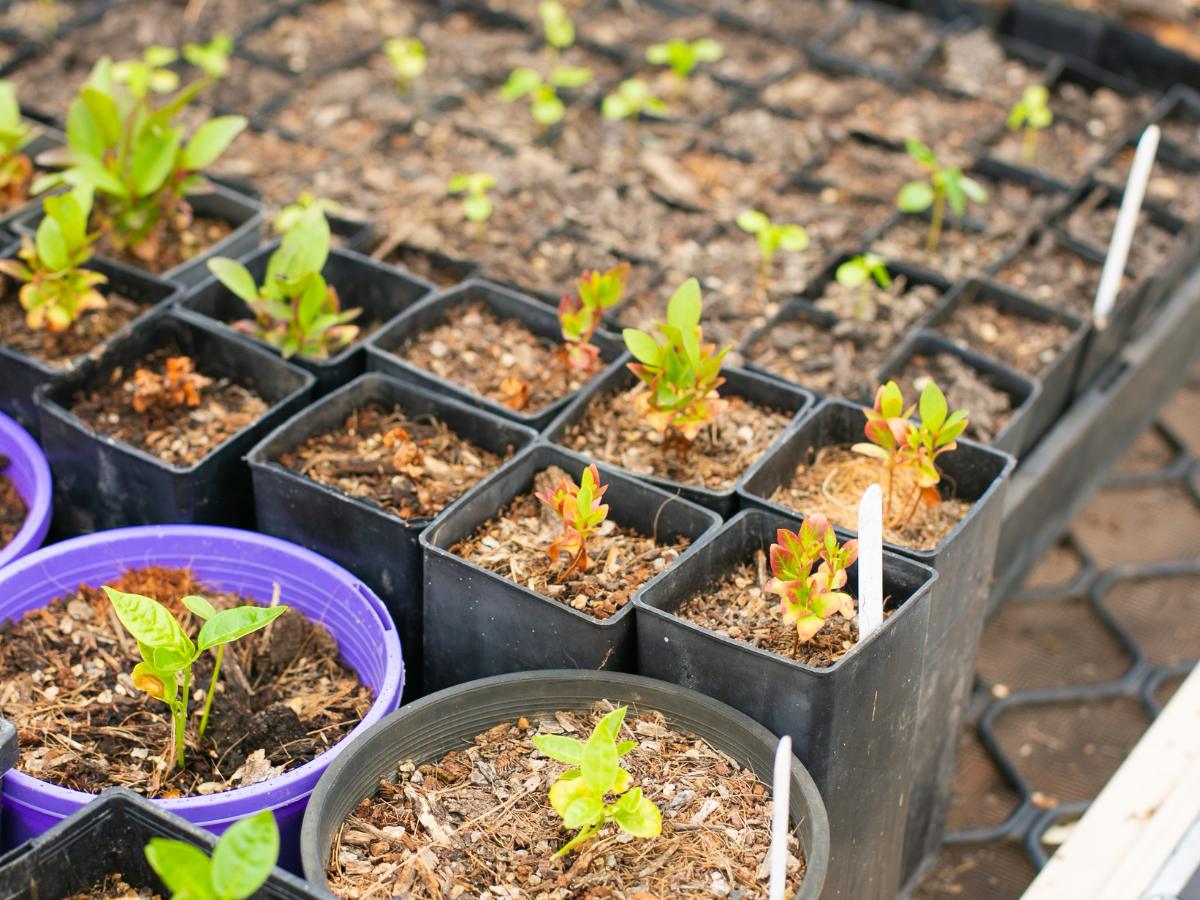
One of the easiest mistakes to make in spring is planting too much at once. The seed packets are open. The beds are empty. Enthusiasm takes over. Then everything becomes ready at once.
Succession planting solves that problem by staggering your sowings. As a broad starting point:
Lettuce and salad mixes: sow smaller batches approximately fortnightly.
Radishes: sow every 10–14 days.
Beans and peas: stagger sowings rather than planting the entire crop at once.
Herbs: repeat sowings where appropriate to maintain fresh growth.
This is where having a polytunnel system really makes it worth it. You can have seedlings ready-to-plant for when the timing is right. Saving you a trip to the garden store, and money in your pocket.
How to fit more crops into a small polytunnel
Growing more isn't simply about planting closer together. In fact, overcrowding can reduce airflow and make plants harder to manage.
Instead, think in three dimensions and across time.
Use vertical space for climbing crops such as cucumbers and tomatoes.
Use quick-growing crops such as radishes before larger crops fill their allocated space.
Use succession planting so one area produces several crops across the season.
A 4-metre-wide Mini GROW Tunnel, for example, can be configured in lengths from 5 metres upwards, allowing backyard growers to plan the growing footprint around the space they have available.
What spring problems should you watch for?
Spring growth isn't limited to your crops. Pests become more active too. Keep an eye out for aphids, caterpillars, slugs and snails, and check young plants regularly rather than waiting until damage becomes obvious.
Humidity can also increase as plants fill the tunnel. Maintain sensible plant spacing and good ventilation and, where possible, water around the base of plants rather than unnecessarily wetting foliage.
A tunnel gives you more control, but the best results still come from observation.
Walk through regularly. Look underneath the leaves. Check soil moisture. Open or close ventilation as conditions change.
Your plants will tell you a lot about what they need.
Which crops should a beginner start with?
If you're new to growing in a polytunnel, don't feel you need to plant twenty different crops.
Start with the food you actually eat. For many households, a practical first spring might include:
Lettuce + herbs + radishes + tomatoes + cucumbers.
That gives you a combination of quick harvests and longer-producing crops without making the growing plan unnecessarily complicated.
Once you understand how your tunnel behaves through the seasons, you can expand from there.
Frequently Asked Questions
-
Lettuce, salad greens, radishes and herbs can be relatively straightforward starting points. Tomatoes and cucumbers require more management but can provide substantial harvests once established.
-
Broadly, August is useful for cool-season crops such as lettuce, spinach, kale, radishes, parsley and coriander, while selected warm-season plants can be started as seedlings under protection. Your local climate and frost risk should determine exact timing.
-
A polytunnel can allow you to start tomato seedlings earlier by providing a more protected environment. However, tomatoes still need appropriate temperatures, so don't rely on the calendar alone.
-
A polytunnel can significantly extend the growing season and support year-round production of suitable crops, but crop choice and management need to change with seasonal conditions.
-
Radishes and many leafy greens are among the quicker crops and are useful for filling short-term gaps between longer-growing plants.
Start Spring Before Spring Starts
One of the real advantages of growing under cover is that you don't have to wait for the outdoor growing season to become perfect.
You can propagate. You can prepare. You can keep harvesting cool-season crops while the next season gets underway.
And when the warmer weather finally settles in, you're not starting from scratch. You're already growing.
If you’re planning a tunnel for your backyard, school, community garden or growing operation, explore the GROW Tunnel range and find the size that suits the way you want to grow.